







When I first set out to learn how to self-publish a novel, I had no idea just how much was involved beyond finishing the manuscript. I had poured months into writing my story. Long nights spent developing characters, weaving plot twists, and revising until the words finally felt right. If you’re here, I’m guessing you’ve done the same. You’ve written your novel, survived the hard part, and now you’re wondering what comes next.
How do you take your novel to the next level? What do you need to prepare for and set up?
I remember standing right where you are now, finished, but far from done. I’m a published author today, but back then, I was asking all the same questions you probably are: How do I self-publish a novel that actually sells? That looks professional? That I can be proud of?
In this guide, I’ll walk you through the entire self-publishing process from final edits and formatting to cover design, distribution, and marketing strategies. Everything I wish I’d known when I was figuring out how to self-publish a novel for the first time. If you’re serious about bringing your book to life on your terms, you’re in the right place.
If you’re actually ready to learn how to successfully market and publish your book today, this training is by far the best place to start.
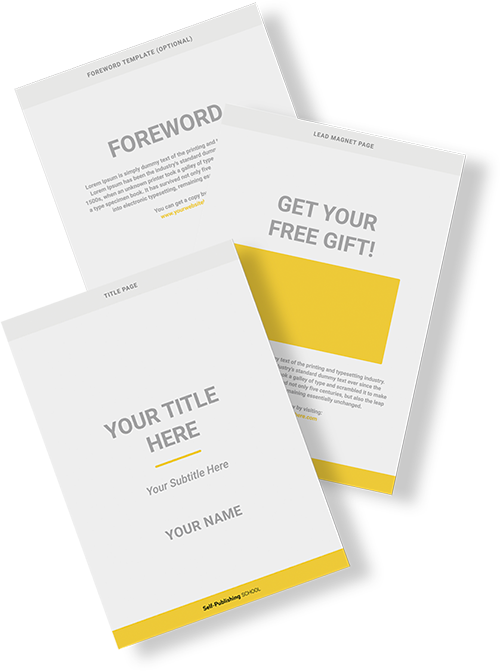
Book Outline Generator
Choose your Fiction or Nonfiction book type below to get your free chapter by chapter outline!
Book Outline Generator
Enter your details below and get your pre-formatted outline in your inbox and start writing today!
CONGRATULATIONS
Thanks for submitting! Check your email for your book outline template.
In the meantime, check out our Book Outline Challenge.
This guide to how to self-publish a novel will cover:
What do you do after you’ve written the book?
In the writing world years ago, you only had one option: find a publisher who wants it. If no one wanted to buy and publish your book, you were out of luck. Onto the next manuscript, toss that one in the bin.
Fortunately, things are different today.
The great thing about being a modern author is that you’ve got options! Gone are the days of mandatory querying, submitting, waiting, rejections, and repeat. Now you can take your book and your publishing experience into your own hands with self-publishing.
So which one is better? Traditional publishing or self-publishing?
It really depends on your goals and resources. In this blog, we’re going to discuss the differences between traditional and self-publishing, the pros and cons of each, and what you should consider when making this decision.

Pros and Cons of Self-Publishing a Novel
Self-publishing vs traditional publishing is a hot debate among authors-to-be everywhere. Let’s cover self-publishing first, as this is a new ever-growing industry.
Self-publishing might seem like way too much work! Or maybe it seems like an amazingly fun adventure of choosing your own fate, expressing your creativity, and making your own choices.
Let’s look at the pros and cons of self-publishing your book.
Pros of self-publishing a novel:
- Creative control. With self-publishing, it’s all up to you! You maintain all creative control. Write any story you want, include whatever characters you want, market however you want, put your own face as the book cover if you want—it’s all your decision.
- Business control. You get to decide everything on the business side too! Cover design, marketing, book trailers, promotions, advertisements—you’re in control and can do whatever you’d like.
For example, I was able to offer a free ebook of my short story collection to encourage people to stay home during the COVID-19 outbreak. My goal was to calm people down and provide a distraction. But some unexpected benefits for me were extra Amazon reviews, hype about my next book, purchases of the physical copy, and word-of-mouth advertising that I couldn’t have created on purpose. This isn’t something I could have done with a traditionally published book, because the publisher has control of pricing and promotions.
NOTE: Business control could be a con if you don’t have a background in business, don’t take the time to research beforehand, or if you’re just not interested in running the business side of a writing career—so keep that in mind. - Higher royalties! Book royalties for a traditionally published book usually range between 8% to 12%. For self-published books, the range is much higher. For example, publishing a paperback with KDP gives you a royalty rate of 60%. That’s a significant difference, and certainly something to keep in mind.
- You don’t have to do it alone! You can have hands-on help from Self-Publishing School to guide you through the self-publishing process, from planning your book, to writing, to editing, to publishing, to promoting!
Cons of self-publishing a novel:
- You pay for everything.Editor, cover art, marketing, copyright—all you, boo. There’s no publisher there to pick up any of the financial slack.
- No advance, so no guaranteed payment. With traditional publishing, as we’ll cover in a little bit, you typically receive an advance, which is an upfront payment for your book. This guarantees you make something for your efforts, at least so long as your book sells (otherwise you often have to give that advance back). No such luck with self-publishing. You either sell enough copies to recoup costs, or you eat the loss.
Self-publishing your novel might be the route for you if you:
- Want to retain creative and business control
- Have the money to invest in producing the book
Pros and Cons of Traditionally Publishing a Novel
Traditional publishing might seem like an unattainable dream. Or maybe it seems like the PERFECT way to launch your writing career! Let’s look at it objectively with some pros and cons.
Pros of traditionally publishing a book:
- Less financial investment up front. Your publisher will cover expenses like editing, cover design, and interior formatting. You don’t have to worry about putting your own money on the line. If your book doesn’t sell, you still make off with your cashbag.
- The cashbag (guaranteed paycheck).
While self-publishing provides you with significantly higher royalties, traditional publishers often offer the incentive of an advance payment, which typically ranges from $5,000 to $20,000. Advances are not a guarantee with every publisher, so always be sure to read your contract. Royalty payments for traditional publishers kick in if and when the book has sold enough copies to surpass the advance. (Most books never meet that threshold and never start paying royalties to the author.)
Cons of traditionally publishing a novel:
- Traditional publishers don’t have your best interest at heart.
They’re a business. They have goals and standards that have nothing to do with you. Sure, they’re there if you have questions, and they have the industry know-how, but your book is just another product and you’re just another writer.
In some cases, publishers will buy rights to a book they never intend to publish, just to keep another publishing company from getting their hands on it. This is a business practice in many industries—it’s a way to minimize competition. While this isn’t the likeliest drawback of traditional publishing, it is an example of how they’re not “on your side”. They’re running a business.
NOTE: Vanity presses are technically publishers, and they certainly don’t want what’s best for you and your book. Vanity presses are publishers who charge writers to publish their book—they don’t care about quality because they’re not making their money off of readers: they’re making their money off of you. - Publishers maintain creative control. If you have specific ideas about how you want your book to be presented or marketed, if you have a picture of what you want the cover to look like, if you want to write about something extremely controversial or that there may not be a market for—you’re going to be disappointed. Publishers know the industry, and they have their own goals with your book: they’ll do what they want with it. They can even control the content of your story. If that bothers you, this probably isn’t the publishing option you should take.
- Publishers maintain business control. Just like creative control, the business control lies with your publisher. Like I said earlier, I was able to offer my ebook free, just because I felt like it. With traditional publishing, you don’t have a say in how your book is sold.
- While you typically have a guaranteed paycheck in that initial advance, it often isn’t much! If you’re getting $10k per book, and that’s all, you have to have a day job or make sure you stretch that $10k until you can rip out another book fast. While self-publishing doesn’t promise a lucrative life right away either (unless you know how to work the algorithm and gain exposure, which is taught in Self-Publishing School’s Sell More Books program), keep in mind that advances—especially early on—just aren’t that much.
Traditionally publishing a novel might be for you if:
- You don’t mind giving up creative and business control
- You don’t have the money to invest up front
- You’re okay with receiving smaller royalties in exchange for the publisher covering production costs
- You understand that they don’t have your best interests at heart, and you’re ready to proceed with a business frame of mind, taking the necessary precautions to protect yourself and your work.
How to Self-Publish a Novel
If you’ve decided that learning how to self-publish a novel is the right direction for you, here are some steps to get you there.
Write the book
Whichever publishing path you choose, ya gotta write the book. There are many processes and strategies, and it will look different depending on the author and their preferences. If you are trying to learn how to self-publish a novel, you may already be done with the writing stage, if so, it’s time to move on to editing.
Edit the book
Just like writing, there are several different processes and strategies available for editing your book. Ideally, you’re going to go through multiple rounds of edits. For example, a lot of writers will edit their book in this order: developmental edits, line edits, and copy edits.
You might try in-house editing. This isn’t recommended. Even writers who are also professional editors would be better off hiring an editor for their book. It’s just so easy to miss things when you’re close to a story. It takes an outside perspective to spot mistakes, especially in developmental edits.
Cover design
You might do this in-house, or you might hire someone to do it for you. If you have the ability to invest in something, I recommend investing in a cover. This is your customer-facing element and a major marketing tool, so investing makes sense!
Interior format
This is something else you could do in-house, but you should consider your skill level and amount of time you’re able to invest. Think about what you have more of: time or money. If you have more time, maybe it’s worth it for you to learn to format the book yourself. If you have more money and less time, it might be worth the financial investment.
Publish the book
There are many options when learning how to self-publish a novel: Amazon KDP, IngramSpark, iBooks, Kobo, and more. Each has different levels of accessibility, different learning curves, and different requirements. There are also differentiation between your publishing and licensing rights between them, so research carefully before making your selection.
Self-Publishing School also has step-by-step processes for publishing through each of the above in their Become a Bestseller program so you don’t have to waste the time learning how to self-publish a novel on your own.
Build a platform
Possibly the most powerful marketing tool to sell your book is having an audience—your author platform—ready to buy it before you’ve finished writing it. Whether you’re publishing traditionally or learning how to self-publish a novel, building a platform early on can make a huge difference in your book’s success.
Your platform is your community of readers, writers, and fans who connect with your voice and trust your content. You can build it through social media, a YouTube channel, a blog, an email newsletter, or even a podcast. The key is to show up consistently, share your journey, and offer value long before you start promoting your book.
There are many things you can do to build a platform for your book. Jenna Moreci’s Skillshare class is a great place to start.
Book launch
The most crucial time frame to market your book is before and during its release. This is when momentum matters most. Your audience is curious, algorithms are more likely to favor new releases, and you have the best chance to make a splash. Don’t miss out on this opportunity to hype the art you’ve worked so hard to create!
Your launch strategy can include countdown posts, cover reveals, early reviews from ARC readers, email teasers, and social media campaigns to build excitement. Make sure your buy links are ready, your sales page is polished, and your launch messaging is consistent across all platforms.
If you’re looking for in-depth guidance, Jenna has another great SkillShare class all about book launches that is perfect for walking you through each step of the process and setting your book up for success from day one.
Giveaways and promotions
Hosting giveaways on social media is a great way to build hype for your book and grow your author platform. Readers love free stuff, especially when it comes with a personal touch or exclusive content. Giveaways can create buzz, drive engagement, and even boost your email list.
Start by choosing what to give away. It could be a signed paperback, an early digital copy (ARC), exclusive bonus chapters, book-themed merchandise, or even a bundle with books from other indie authors in your genre. Pairing your giveaway with a call to action (like following your account, tagging a friend, or signing up for your newsletter) can help maximize its reach.
Promote the giveaway across all your platforms: Instagram, TikTok, Facebook groups, X (formerly Twitter), and your mailing list. Use eye-catching visuals, clear entry instructions, and an end date to create urgency. You can also use platforms like KingSumo or Rafflecopter to manage entries and select winners fairly.
Timing matters too. Running a giveaway in the weeks leading up to your book launch or during a price drop can amplify your marketing momentum and attract new readers who might not have discovered you otherwise.
Advertisements
When I first self-published, I was hesitant to spend money on ads. I wasn’t sure if they would work, or if I’d just be throwing money into the void. But eventually, I learned that when done right, targeted advertising can absolutely help boost visibility, especially when paired with a solid launch and an engaged platform.
You might buy ads to run where your demographic might see them. For example, if you’re writing romance novels for the age demographic of 40+ readers, a Facebook ad might be a great investment. I’ve personally run campaigns on Facebook for one of my earlier books, and with the right targeting (age, genre interests, reading habits), I saw a real bump in sales.
If your target demographic is teenagers, however, a Facebook ad would be virtually useless (unless you’re targeting their parents!). In that case, Instagram or TikTok will prove to be much better platforms for reaching that younger audience.
What I’ve learned is that no ad works in a vacuum. You need a strong cover, a compelling blurb, and clear messaging that speaks to your genre and reader expectations. Tools like Amazon Ads and BookBub can also be effective, especially if you’ve already got a few positive reviews to build social proof.
Does learning how to self-publish a novel work? Absolutely, it worked for me. But it’s not a “set it and forget it” path. It takes strategy, experimentation, and a willingness to learn (and sometimes fail).
How to Self-Publish A Novel In Conclusion…
At the end of the day, there’s no one-size-fits-all publishing path, and that’s actually a good thing. Every writer brings different goals, skills, and resources to the table. The key is understanding what you want out of the publishing experience, and choosing the path that aligns with your vision.
If you’re looking for a slower process with less upfront investment, traditional publishing might be the route for you.
But if you’re ready to take creative control, build your own audience, and earn higher royalties, then learning how to self-publish a novel could be the most rewarding decision you make as an author. Yes, it takes work, and yes, there’s a learning curve, but the freedom and potential long-term payoff can be well worth it.
I’ve been through the process myself, and I can tell you firsthand: self-publishing isn’t just a backup plan. It’s a legitimate, empowering path to becoming a published author on your own terms.
So if you’re serious about turning your finished manuscript into a published novel, take the next step. You’ve got the story, now it’s time to share it with the world.