












If you teach your children at home, then you’re probably familiar with the idea of a homeschool capstone project. It’s nothing new, and is highly valuable to ensure your children can demonstrate what they’ve learned.
But usually, this process can be boring for your kid, and they’re less likely to be engaged, present, and interested in the project at hand. There is solution to this, one in which your kids will even be excited to get to work on it.
Using self-publishing as a homeschool capstone project can really change the way your child sees books as a whole. And that’s not to mention the whole host of other benefits they’ll gain by actually writing and publishing one themselves.
But let’s get to the process, shall we?
Here’s what you’ll learn about using self-publishing as a homeschool capstone project:
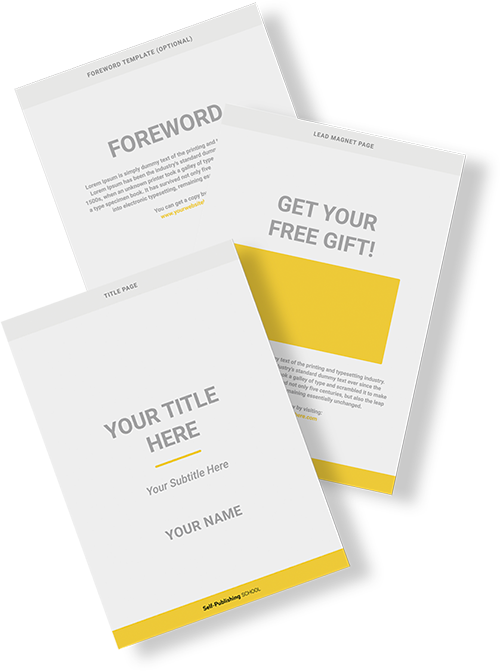
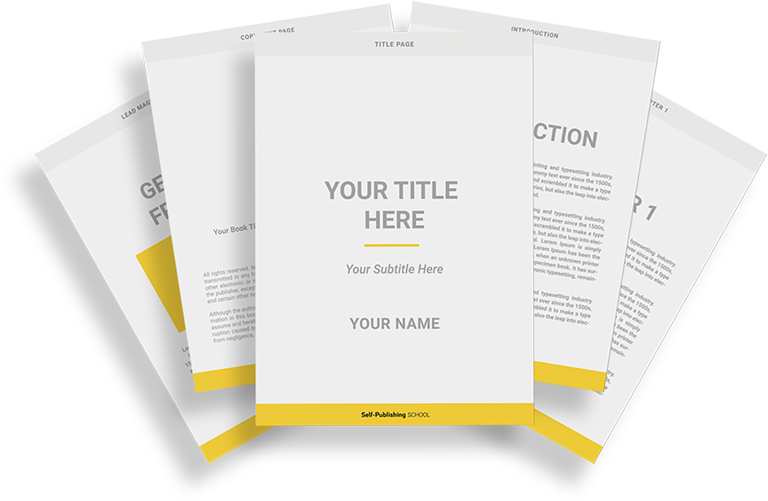
Book Outline Generator
Choose your Fiction or Nonfiction book type below to get your free chapter by chapter outline!
Book Outline Generator
Enter your details below and get your pre-formatted outline in your inbox and start writing today!
CONGRATULATIONS
Thanks for submitting! Check your email for your book outline template.
In the meantime, check out our Book Outline Challenge.
What is a homeschool capstone project?
A homeschool capstone project is a culminating experience that allows your children to showcase what they’ve learned throughout their educational journey. It’s a final project designed to integrate the various subjects and skills they’ve mastered, demonstrating their knowledge and expertise in a particular area of interest. Think of it like their big, end-of-the-year project that proves they’ve been learning throughout the year.
But unlike traditional tests or exams, a capstone project is an opportunity for students to apply their skills in a meaningful, real-world context.
Capstone projects in homeschooling can take many forms. Some students may choose to create a research paper, develop a portfolio of artistic work, design a science experiment, or even launch a small business. In the case of this article, we’ll be talking how to create a more unique homeschool capstone project—one that has many educational benefits.
With homeschooling, you have far more flexibility, which allows for projects like these to be highly personalized, aligning with the student’s strengths, passions, and future goals. All of this will make your child more engaged in the project.
Why self-publishing is a perfect fit for a capstone project
One of the most exciting and versatile options for a homeschool capstone project is self-publishing. This process goes far beyond just writing a book—it’s a multi-disciplinary experience that incorporates a wide range of skills, from writing and editing to design, marketing, and project management.
Self-publishing offers students the chance to be both creative and analytical, combining storytelling with business strategy, which are all topics you can tackle throughout the year leading up to this one, or informing this one, making it ideal for a homeschool capstone project.
Self-publishing also encourages creativity and independent thinking. Whether a student writes a novel, memoir, or non-fiction book, they are challenged to develop their own voice and perspective, as well as dive deeper into how they think, why they think that way, and how to communicate that to other people. It’s a homeschool capstone project that is fully theirs to own, too. Even adults benefit from the process, and it’s not simple. The complexity that gave rise to businesses like selfpublishing.com that helps guide people through the process is the same complexity that will benefit your child by doing it themselves.
In addition, the process of self-publishing teaches practical skills like project management and entrepreneurship. Your kids will learn to set goals, manage timelines, collaborate with editors or designers, and market their finished product. For example, writing and publishing a novel requires them to utilize not only writing and creative skills but also business acumen when promoting the book to potential readers. This combination of disciplines makes self-publishing an excellent way to showcase the diverse skills homeschoolers often develop.
Plus, if you’re like Emma Sumner, you just might be featured on the local news, creating both opportunity and the experience of speaking publicly.
The educational benefits of self-publishing as a homeschool capstone project
The benefits of using self-publishing as a homeschool capstone project are far reaching. It’s not just one skill to learn, it’s a dozen or more all packed into one long-term project.
Here are just a few that your child can expect to gain:
- Academic development: Enhancing writing, research, and critical thinking skills, obviously necessary when furthering their educuation, and really the purpose of a homeschool capstone project.
- Real-world learning: Gaining experience in publishing, marketing, and selling a product in a world where digital businesses allow people to thrive on their own.
- Building confidence: Ownership of a published work fosters pride and self-confidence, not to mention the potential for book readings, signings, and as you saw with Emma Sumner above, televised (or podcast) speaking opportunities.
- Long-term impact: Self-publishing can stand out on college applications or resumes as a unique experience and qualifier.
And an even more exciting bonus for you as their parent and educator, is being able to learn more about how your child thinks and what they get excited about. A lot can be uncovered throughout the process of putting together a book—things you might not even realize your child is interested in or passionate about.
5 Steps to complete a self-publishing capstone project
There are really five main components of using self-publishing as a homeschool capstone project. Each phase should take its own time, and there’s a lot to learn within each.
1. Planning the project
The project management aspect of self-publishing is a huge benefit by itself. Specifically in the planning phase. All of the steps have to be ironed out, decisions must be made, and then adhered to.
Here’s what you’ll have to do in the planning process of self-publishing:
- Choose a topic or genre: fiction, nonfiction, memoir are your main choices, but even within each of those are subgenres your child will have to decide on. Start by asking what kind of book they want to write, and see where you can fit it in instead of giving them a list of choices and trying to prepare that way.
- Set specific goals: you’ll need to decide how long the book will be, how often they’ll write, what times of day they’ll write, and what type of goals they’ll have for the book’s publication (copies sold, book reviews, etc.).
- Create a timeline: based on goals, work backwards to get an idea of when the book can be published. Because this process can be lengthy, especially the younger the child, build in buffer time.
2. Writing and editing
This stage involves developing the content of the book itself. It’s the fun part! Or should be. Remember that book research might be necessary if they chose to write a nonfiction (or even fiction at times) in order to have accuracy. That in itself is a valuable skill and important for your child to learn.
It’s also helpful to seek feedback from others, whether through a mentor, writing group, or professional editor, and then revise the manuscript based on that input. Even your review as a parent can make a big difference.
Here are more steps and tips for this stage of using self-publishing as a homeschool capstone project:
Writing the first draft:
- Start with an outline: Organize your thoughts into chapters or sections before you begin writing.
- Set daily or weekly word count goals: This helps you stay consistent and make progress.
- Don’t strive for perfection in the first draft: Focus on getting your ideas on paper and worry about refining them later.
- Tip: Join writing sprints or accountability groups to stay motivated—or get a group of parents together and join your children together for this project.
Seek feedback:
- Share your draft with trusted individuals: This could be a mentor, family member, or writing group.
- Consider hiring a professional editor: If possible, working with a developmental editor or copyeditor can elevate your writing.
- Tip: Teach your child to be open to constructive criticism. Feedback is crucial for improving your work, no matter what they do, but this part might be one of the more challenging pieces, particularly if you have a sensitive child.
Revise the manuscript:
- Make big-picture changes first: Focus on story structure, pacing, and character development if they’re writing fiction. For non-fiction, ensure their arguments or core idea is clear. If it’s lacking in logic, try to help them understand that while still encouraging improvement.
- Fine-tune later: Once the larger issues are fixed, focus on grammar, punctuation, and clarity. Sit down with your child and go over these details, as it serves as a powerful learning opportunity for basic English and grammar skills, a great use of a homeschool capstone project.
- Tip: Take breaks between revisions to return with fresh eyes.
3. Designing and formatting
This is often what a lot of people—not just kids—look forward to most. The choices in putting together the hard work into an actual, physical book. This part of the homeschool capstone project might prove difficult, however, because of the wide variety of choices.
It’s important to let your homeschooled kid make the choices after helping them research and discover the options.
- Choose a self-publishing platform: Amazon KDP is ideal for eBooks and print-on-demand paperbacks. It’s super accessible, and will likely be around for a long time. Familiarizing your child with its functionality could prove useful in the future. IngramSpark is also great for broader distribution to bookstores and libraries. Research the pros and cons of each platform. Consider pricing, royalties, and distribution and share that information with your child so they can make the choice of where to publish—an important piece to their education.
- Design the book cover: Of course, your child might love the idea of designing their own cover. However, you might have to educate them on how different people specialize in different areas for a reason—they know what will sell. You can hire a professional designer or use tools like Canva or BookBrush for a DIY option (again, present the options and let them choose!). Give them education around ensuring the cover reflects the genre: a thriller cover should look different from a romance cover, for example.
- Format the book’s interior: You’ll have a few different formats, including paperback, hardcopy, or ebook. Make sure the text flows well on different devices and screen sizes for ebooks, and that you’re researching and choosing the correct file sizes for each format.
4. Marketing and promotion
Publishing the book is just the beginning. Students need to develop a marketing strategy, which could include building a social media presence, creating promotional materials, and engaging with readers to generate interest in the book. This is both a difficult process and one of the most beneficial in this homeschool capstone project. These are skills that will transfer to any profession.
Here’s what involved in the marketing and promotion of a self-published book:
- building an online presence
- sharing behind the scenes content on social media
- creating videos on Youtube or like platforms
- developing a book launch strategy
- creating a book launch team from social
- getting book reviews before the public launch
- choosing a release date and scheduling content leading up to it
- deciding if paid promotions are worth it for your child
- reach out to book reviewers or book bloggers
- schedule and host virtual or in-person events
- offer giveaways to spread the word
These are a lot of book promotion ideas, and your child doesn’t need to do them all. But as a part of this homeschool capstone project, it’s vital for them to choose a few, create the content, and execute. It’s important for them to put themselves out there!
5. Final presentation
Once the book is published, it can be shared as part of the homeschool capstone project presentation. Whether it’s in print or digital format, the published work is a tangible representation of the student’s hard work and dedication. They should be proud to show it off!
- Getting a book reading gig at a local library or school
- Invite friends and family over for an in-person “book launch” party
- Host a Q&A session with the author at a school or library
- Visit local bookstores and ask management to order your book copies to carry in-store (they may also allow a book signing)
Make sure your child knows how difficult this homeschool capstone project is! They should be so proud of how far they’ve come.
Successful self-published books by children
Here are a few examples of children who’ve published books. Some as a part of a homeschool capstone project, and some simply because the parents wanted their children to learn valuable lessons.
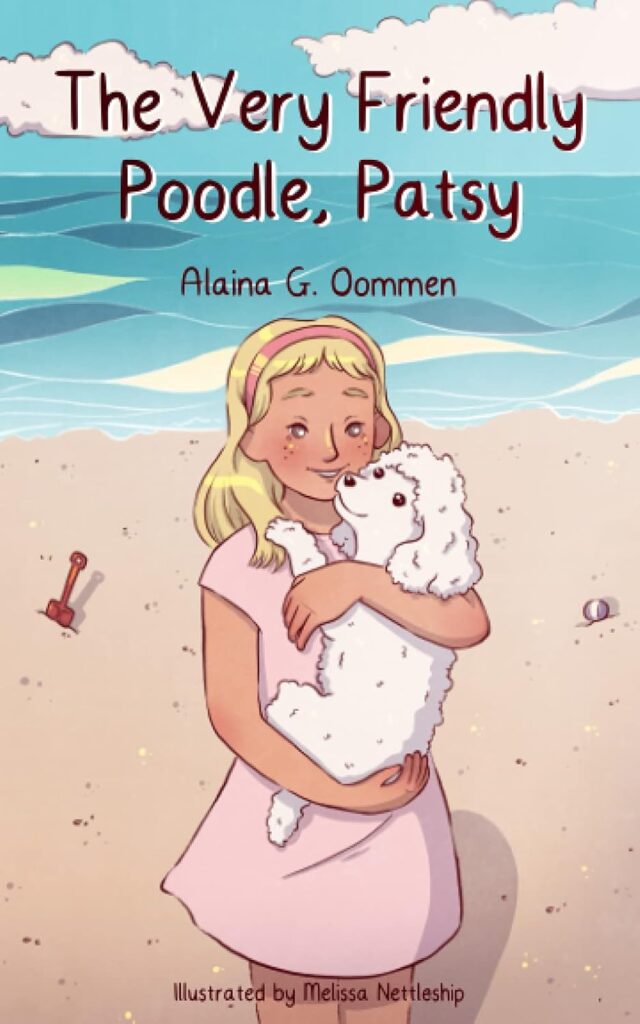
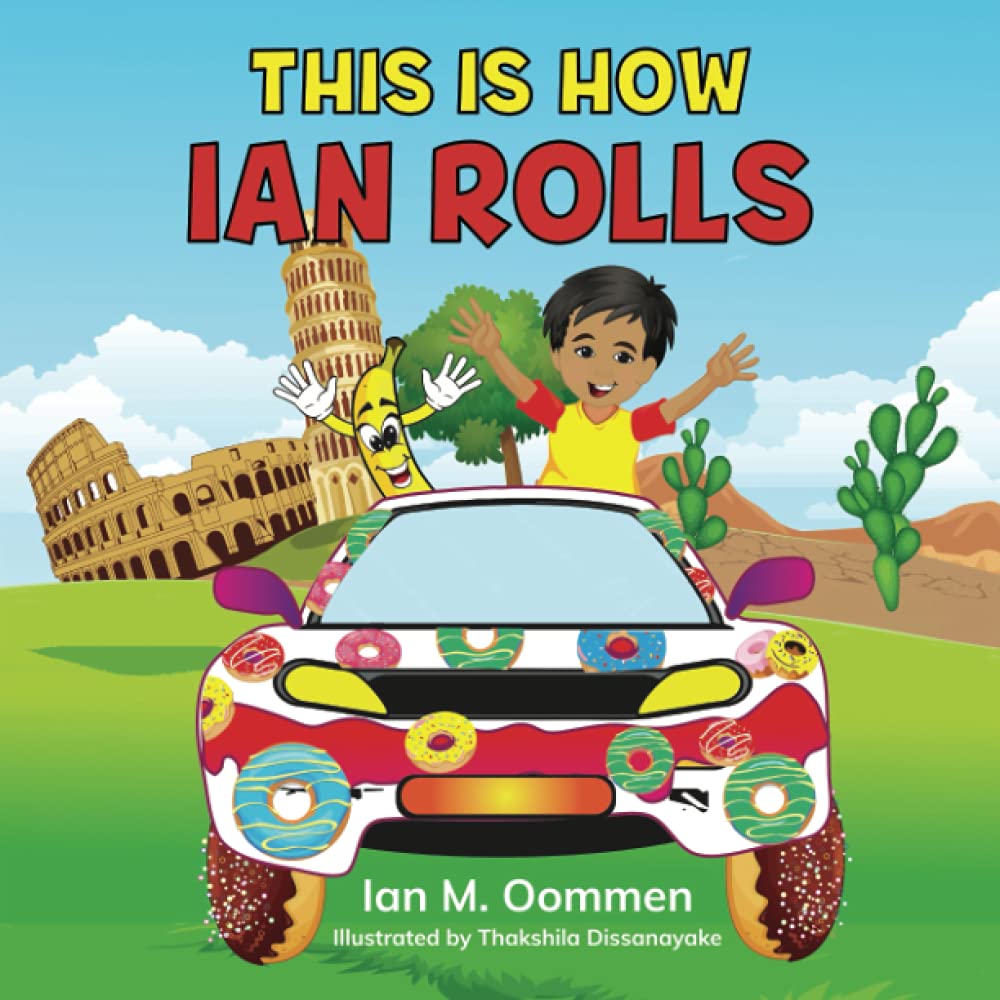
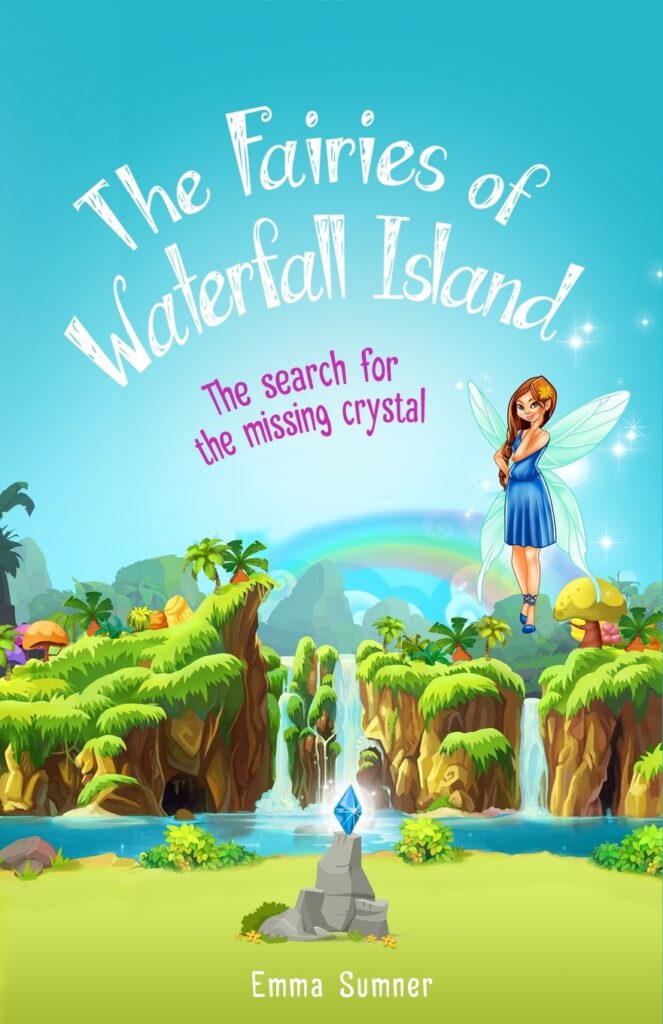
- The Very Friendly Poodle, Patsy by Alaina G. Oommen
- This is How Ian Rolls by Ian M. Oomen
- The Fairies of Waterfall Island by Emma Sumner
- BFFs Grace and Isabella by Sevaeh Redden
- Jonah’s Global Footprints by Jonah Seyum

The last of these books, is the story of Jonah and his many worldwide travels. He has even been featured on news websites!
No matter when you choose to help your child self-publish, doing so as a part of a homeschool capstone project will create a permanent example of everything they’ve learned that year. Who knows! You may even have them do it every year so by the time they “graduate” from high school, they have a collection from their childhood.
Book Outline Generator
Choose your Fiction or Nonfiction book type below to get your free chapter by chapter outline!
Book Outline Generator
Enter your details below and get your pre-formatted outline in your inbox and start writing today!
CONGRATULATIONS
Thanks for submitting! Check your email for your book outline template.
In the meantime, check out our Book Outline Challenge.