










While you may naturally be doing this, if you want to learn specific methods to build confidence in homeschoolers, you may need additional tactics. What a child spends their time learning will set them up for life.
A child’s confidence will change their life. For better or worse.
If you’re taking up homeschooling them, then it’s your job to make sure you approach learning in a way that contributes to that self-esteem in positive ways. And as much as you might feel confident yourself in your ability to do this, it never hurts to discover additional ways to bring your kids up a notch.
There are plenty of ways to do this, and one of the most powerful ones you probably haven’t considered yet is self-publishing.
Here’s what we’ll cover about how self-publishing can build confidence in homeschoolers:
Book Outline Generator
Choose your Fiction or Nonfiction book type below to get your free chapter by chapter outline!
Book Outline Generator
Enter your details below and get your pre-formatted outline in your inbox and start writing today!
CONGRATULATIONS
Thanks for submitting! Check your email for your book outline template.
In the meantime, check out our Book Outline Challenge.
Misconceptions about homeschooling & confidence
One of the most pervasive myths is that homeschoolers are isolated and, as a result, struggle with social skills or confidence. Many people assume that because they aren’t in a traditional school setting, homeschoolers miss out on social interaction.
But the reality is, homeschoolers often have rich social lives that include diverse interactions even public school children don’t experience. They participate in co-ops, extracurricular activities, sports teams, community events, and even online groups that allow them to build social skills and confidence. In fact, homeschooling can offer more opportunities for meaningful social interactions across age groups, preparing students for real-world interactions rather than the age-segregated environments found in traditional schools.
Chief among these is the experience homeschoolers have communicating with adults. This can build confidence in homeschoolers considerably. In a public school settings, children are often taught to obey teachers, don’t talk back, and they often develop a healthy fear of authority because of the punishments involved when they don’t follow those rules. This fear can transfer to other adults in their lives—parents, aunts/uncles, doctors, dentists—and even in general social interactions with others.
Homeschooled children, however, learn to communicate with adults on a more level ground, even taking the lead when talking to their doctor, dentist, instructors at activities, coaches, and more.
But this is only a single area in which the way to build confidence in homeschoolers is evidently easier than in public school. Public school children still have other methods of gaining confidence that you have to recreate at home.
One of those methods lies in self-publishing.
The benefits of self-publishing to build confidence in homeschoolers
Whether you use this as a capstone project or just want to give your child a creative, fun outlet and long-term project to build confidence in homeschoolers, self-publishing is the way to go for the following reasons.
1. Empowering students through ownership of their work
One of the most empowering aspects of self-publishing is that it gives homeschoolers full control over their projects from start to finish. It’s a very lengthy process, and while the benefits of being able to build confidence in homeschoolers isn’t immediately realized, that’s part of what makes it so powerful. Delayed gratification is a potent, lifelong benefit that creates extreme confidence in a person’s capability.
They’ll have to manage the entire process of self-publishing, from brainstorming an idea to seeing it come to life in a published book, students experience the impact of seeing an idea through to completion. This boosts their sense of accomplishment and reinforces that their hard work leads to tangible results. Whenever they think of a project they want to do, they’ll have much more confidence in their ability to finish it.
That alone will take them far in life.
Self-publishing also encourages independent decision-making. Homeschoolers get to make creative choices that reflect their personal vision—from writing the content to choosing the cover design, title, and layout. The autonomy in making these decisions helps students trust their instincts and build confidence in their ability to navigate challenges.
2. Celebrating individuality and unique voices
Homeschooling is already personalized, but self-publishing takes this a step further by giving students a platform to share their unique voices with the world. Each student’s story, idea, or expertise is their own, and self-publishing amplifies that. Whether they are writing fiction, non-fiction, memoirs, or poetry, your child can embrace their identity and express themselves creatively in ways that resonates with them.
The key here is to allow them to choose what to self-publish. Having too much control over the project as the parent won’t build confidence in homeschoolers. Instead, it will make them feel like they can only execute in certain confines. There are a lot of ways to go about guiding the writing practice.
Here are a few tips:
- start with various creative writing ideas for your homeschooled child
- explore different genres and styles
- include nonfiction just as much as fiction
- take note of their interests and passion
- encourage them to keep working at difficult, but clear frontrunners in their talents
You can then, after a season of your child learning the various writing types, ask which they want to move forward with to self-publish. That way, they’re choosing an individual idea.
And at the end of the day, self-publishing allows students to publish in a variety of genres, which further enhances their individuality. They might choose both! Some may write adventurous fantasy novels, while others may explore real-life experiences through memoirs. The freedom to choose their subject matter and style reinforces their sense of self and builds the confidence to express their thoughts and ideas openly.
3. Developing real-world skills that build confidence
Self-publishing isn’t just about creative expression that’ll work to build confidence in homeschoolers. It’s also a crash course in real-world skills. Homeschoolers who complete a self-published book gain experience in writing, editing, and project management. They learn the importance of deadlines, attention to detail, and how to organize their thoughts into a cohesive project. Of course, you’ll be the one to provide the deadlines, but still. These are all valuable skills that translate into future academic or professional success.
The more experience they have in their ability to follow through in these areas, the more confidence they’ll have. Projects will no longer be scary. Deadlines won’t be something to dread.
Plus, marketing and promotion also come into play when students learn how to share their work with others. They develop communication and engagement strategies as they introduce their book to readers. This isn’t just valuable in the book selling world. It’s valuable no matter what field or career they’ll go into because it forces them to think about how people operate and make decisions.
And persevering no matter the difficulty will always build confidence in homeschoolers.
4. Self-understanding & knowledge
When homeschoolers write about topics that matter to them, they often gain deeper self-understanding. Through the self-publishing process, students may find themselves reflecting on personal experiences, interests, or adventures. For instance, one homeschooler may realize they’ve accidentally written a story that mirrors their real life, leading to new insights about themselves and their world.
This was the case with Cooper, a child who worked with Unfound Adventures on a creative project at school.
He said, “Mom, it’s weird, I made it like my life accidentally.” This was in response to creative a fictional animalistic character with special abilities, one that looked like a bass—a meaningful animal to his relationship with his father.
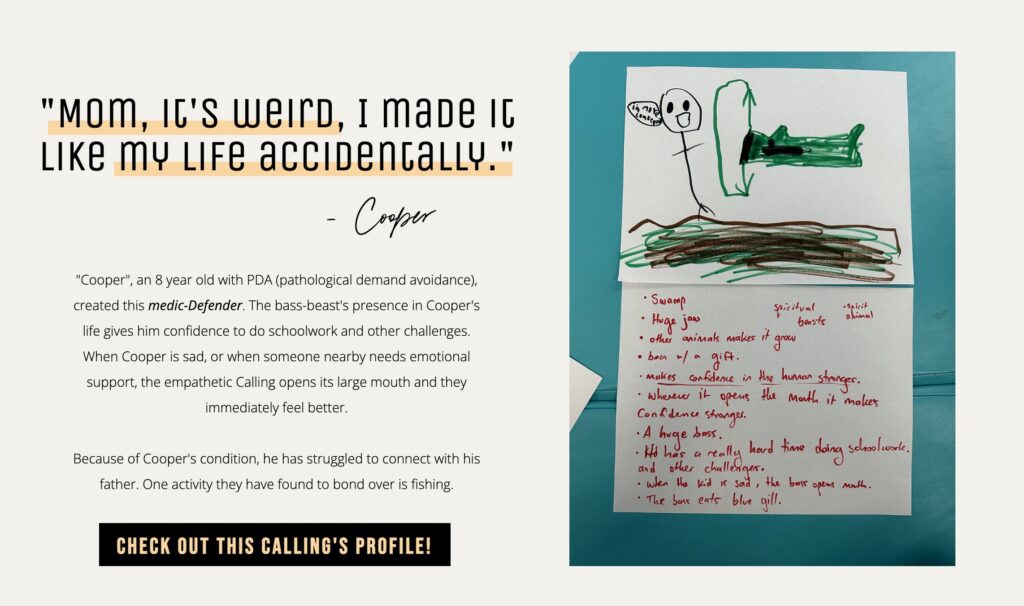
This deepened self-awareness will build confidence in homeschoolers, as students become more in tune with who they are and what they want to communicate. They’ll also gain a valuable resource to be able to discover more about themselves to continuously access that confidence (through writing!).
And as an added bonus, you as a parent will learn more about your child based on what they write, even if they haven’t yet discovered what Cooper did.
5. The power of external validation and recognition
While the intrinsic reward of completing a self-published book is powerful, external validation can also play a significant role to build confidence in homeschoolers. Having a published book to share with family, friends, and the wider community is an achievement worth celebrating. Positive feedback, whether from book reviews or readers’ comments, reinforces the student’s belief in their abilities.
You can also set up public readings at libraries, or even a book launch party, so your child can gain experience speaking in front of people, too. That alone is another powerful way to build confidence in homeschoolers through self-publishing.
These moments help homeschoolers feel recognized and appreciated for their efforts, which strengthens their self-esteem and motivates them to continue pursuing their passions. Just remember to strike the balance between internal and external validation for your kids.
6. Confidence beyond the classroom
Self-publishing prepares homeschoolers for future opportunities in ways that extend beyond academics, too. The process helps students build a portfolio that can set them apart in college applications or job interviews. A published book is a tangible representation of their skills, dedication, and ability to complete a significant project.
This will help build confidence in homeschoolers as they realize their potential once school is complete. It’s the documented accumulation of skills and abilities that will set them up to apply and interview well. They’ll know themselves well, they’ll have the skills to communicate their thoughts and ideas due to their experience in writing, and they’ll even be able to market and sell at a higher level.
Plus, the confidence gained from self-publishing often spills over into other areas of life. Students who have successfully written, published, and marketed their book may feel more equipped to tackle future creative or entrepreneurial ventures. This experience fosters a mindset of lifelong learning and inspires them to take on new challenges with confidence and curiosity.
More Tips to Help Build Confidence in Homeschoolers through Self-Publishing
It’s a big project, and a long process. It can get tiring, even as the parent, to lead a project of this magnitude. While it’s beyond worthwhile, we understand it can be tough.
Here are a few things to keep in mind throughout the process:
- Start with short, manageable projects
- Provide opportunities for feedback
- Teach them to set realistic goals
- Encourage personal reflection within their writing (through self-editing)
- Highlight learning the process over being perfect
- Encourage them to try new genres or ideas that might seem “too hard” for them
- See if there are any local self-published authors who your child can interview or talk to about the process
- Celebrate the milestones along the way! Don’t just wait until the end
- Self-publish many writing projects so their author profile can serve as a portfolio for future use
- Show your child examples of other children who have self-published books as motivation
Examples of Self-Published Books by Children
Your child isn’t alone! It might not be all that common to see children actually publishing books (not to be confused with adults publishing children’s books), but they’re out there. Showing your kid examples of what’s been done before can get their wheels turning, and help them feel like it is possible for them, too.
Their confidence in their ability won’t be high at the start. And that’s okay! It’s entirely the point of using self-publishing to help boost their self-esteem.
Here are a few examples you can show them from some selfpublishing.com students.
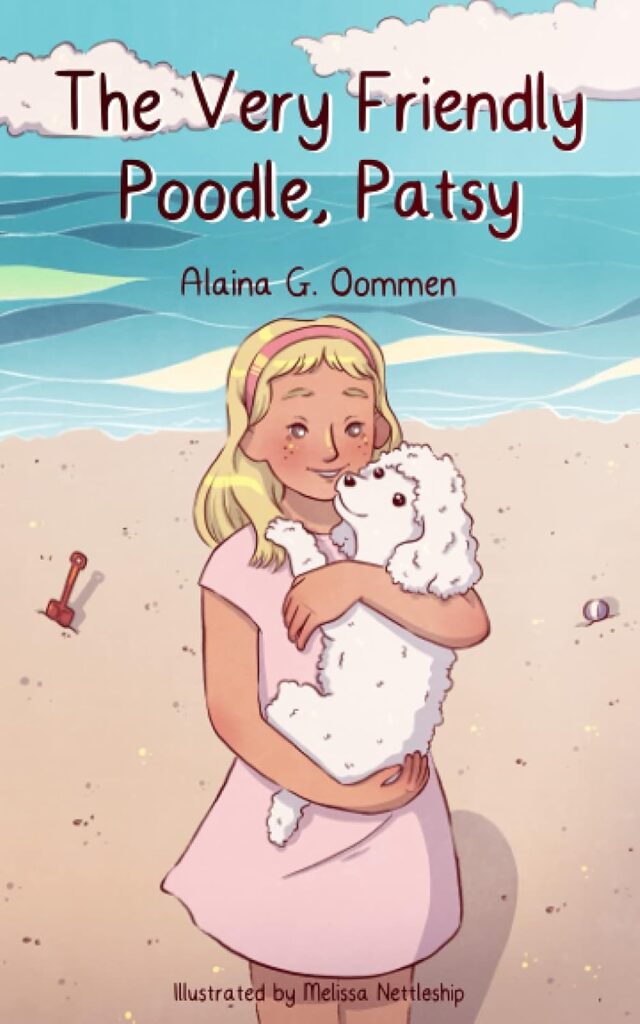
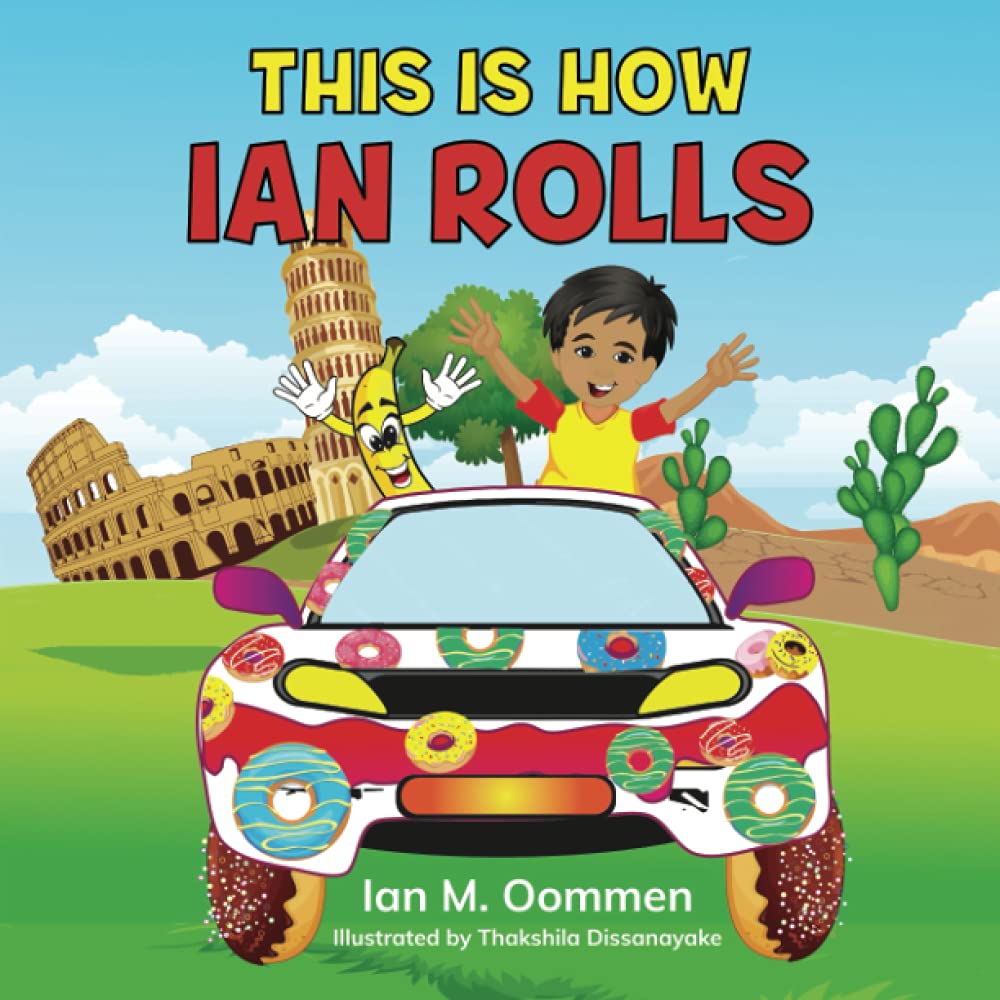
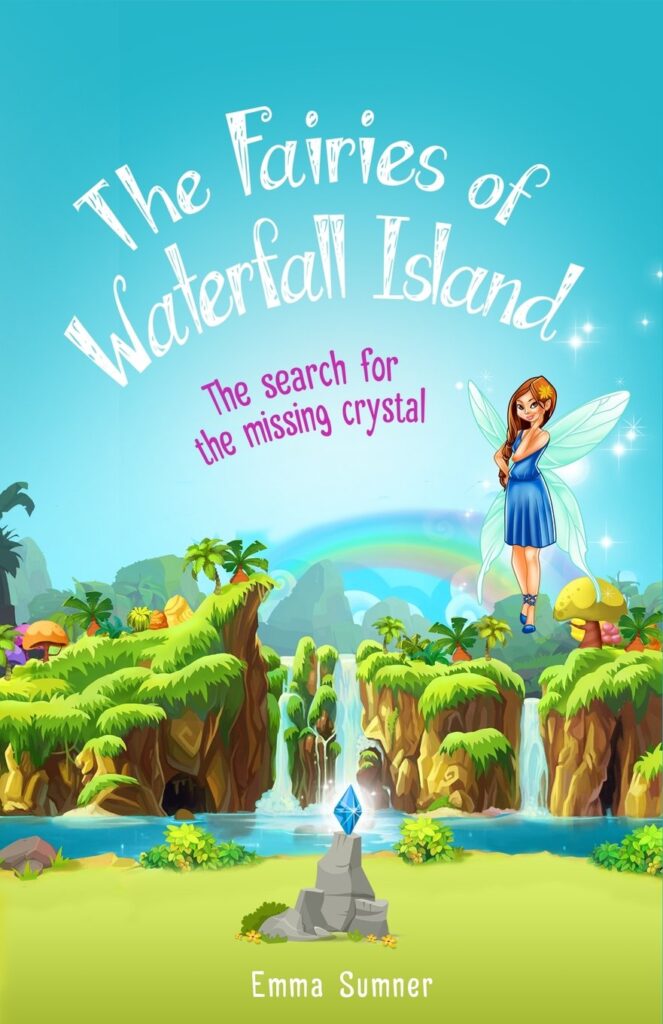
While the process of self-publishing for homeschoolers can seem complicated, it’s super manageable when broken down into each phase. Don’t be intimidated by it! Even you have confidence to gain in the process.
Book Outline Generator
Choose your Fiction or Nonfiction book type below to get your free chapter by chapter outline!
Book Outline Generator
Enter your details below and get your pre-formatted outline in your inbox and start writing today!
CONGRATULATIONS
Thanks for submitting! Check your email for your book outline template.
In the meantime, check out our Book Outline Challenge.