










If you’re a writer looking to release a book, at some point you have to make a choice of self-publishing vs traditional publishing.
Writers unfamiliar with the details of the two options typically dream of landing a traditional publishing deal. That’s understandable. For decades, it was the most viable route to becoming a successful author.
However, thanks to the disruption caused by self-publishing and the rise of the ebook, things are no longer as straightforward.
We’re here to share the facts about self-publishing vs traditional publishing so when it’s time to make your choice, you can make an informed one that’s right for your book.
Read on to discover the reality behind self-publishing vs traditional publishing, and you’ll soon see the truth isn’t what many people imagine it to be.
What is the difference between self-publishing vs traditional publishing?
Before we help you decide which option is right for your author career, let’s drill down into the terminology of self-publishing vs traditional publishing to understand what they mean.
What is traditional publishing?
Traditional publishing involves an author signing a contract with an established publishing house, such as one of the Big Five or a smaller independent press. In this model, the publisher acquires the rights to publish the book and takes responsibility for key aspects of the process, including editing, cover design, printing, distribution, and, in some cases, marketing.
In return, the author typically receives an advance against future royalties and earns a percentage of each book sale. While this percentage is usually smaller than in self-publishing, traditional publishing offers the benefit of professional support, industry credibility, and access to established distribution channels like bookstores, libraries, and media outlets.
That being said, authors often have limited control over creative decisions and timelines, and success is heavily influenced by the publisher’s priorities.
What is self-publishing?
Self-publishing places the author fully in charge of their book’s creation and release. The author retains complete ownership of the rights and independently manages (or hires professionals for) editing, cover design, formatting, distribution, and marketing.
This approach allows for maximum creative freedom and faster publication timelines. Because there is no publisher taking a cut, authors typically earn a much larger share of the revenue from each sale. However, self-publishing also requires a greater upfront investment of time, money, and business skills, as the author assumes all responsibility for the book’s quality, visibility, and success.
Let’s explore how both options impact your book earnings, creative control, and overall author journey.
What is a self-published book?
When you self-publish a book, you as the author oversee and fund the entire publishing process, from writing and editing to distribution and marketing, without partnering with a traditional publishing house.
Is it better to self-publish your book or sell it to a traditional publisher?
Traditional publishers, with an eye on market trends and commercial viability, are notoriously selective.
In fact, traditional publishers only end up working with around 1% of authors who reach out to them. 95% of submitted manuscripts don’t even get looked at in detail.
For the vast majority of aspiring authors, and even many established ones, self-publishing is the only realistic way to get your book out into the world.
But what if both publishing pathways seem viable?
Even then, for many authors, the benefits of self-publishing make it the superior choice.
Why?
The positives include having unparalleled creative control, the potential for better profits, quicker access to market, and the opportunity to reach niche readerships.
While we’ll be diving deeper into these advantages soon, it’s clear the balance usually tilts in favor of self-publishing.
It’s worth noting that a select group, including celebrities or those with substantial followings, might find traditional publishing more fitting for their needs, especially due to perks such as significant advance payments and broad media exposure.
However, for the vast majority of writers, the clear advantages of self-publishing vs traditional publishing are hard to overlook.
Let’s explore further and weigh up the advantages and disadvantages of both routes.
What are the pros and cons of self-publishing?
The path of self-publishing vs traditional publishing presents its own set of advantages and challenges.
Let’s delve into them.
Pros of self-publishing
Here are the main advantages of choosing self-publishing vs traditional publishing.
Higher royalties
With the middleman out of the equation, authors generally receive a significantly larger share of the book’s sales, enjoying royalty rates of around 60-70% as opposed to traditional publishers who receive 10% or less of the list price after their agent’s fees have been deducted.
How much do authors make? Check out the difference in author earnings between self-publishing vs traditional publishing. Ready?
Traditionally Published Earnings:
Book retail price: $14.99
Initial Royalty Rate: 10%
Income per book: $1.49
Books Sold: 6000
Earnings: $8,940
Now, same retail price, same number of books sold, but check out the income per book and earnings change…
Self-Published Earnings:
Book retail price: $14.99
Initial Royalty Rate: 60% = $8.99
Print Cost: $3.04
Income per book: $5.95
Books Sold: 6000
Earnings: $35,700
The self-published author sold 6,000 copies and made $35,700. The traditionally published author sold 6,000 copies and only made $8,940. That’s a big difference between self-publishing vs traditional publishing.
That’s 4x more earnings for the self-published.
-Math
Creative freedom
One of the most compelling advantages of self-publishing is complete creative control.
Without external ownership or approval requirements from a publishing house, authors retain full autonomy over their book’s content, cover design, formatting, title, and overall vision. This freedom allows writers to take creative risks, explore niche topics, and stay true to their voice without having to adjust their work to fit market trends or editorial preferences dictated by a publisher.
For many authors, this means their book is published exactly as they envisioned it, preserving both artistic integrity and personal intent.
Faster time to market
Self-publishing significantly shortens the path from manuscript to publication. Traditional publishing timelines can take years, often involving querying agents, securing a deal, and waiting through lengthy production schedules. In contrast, self-published authors control every step of the process and can publish as soon as the book is ready.
This faster turnaround allows authors to respond quickly to market demand, release books on strategic timelines, and publish multiple titles in a shorter span, which is an especially powerful advantage for series writers or authors building momentum with their audience.
Rights retention
In self-publishing, authors retain full ownership of their intellectual property. This includes rights to audiobooks, foreign translations, film or television adaptations, sequels, series, and box sets. Instead of licensing these rights away, authors can choose how and when to monetize them or partner selectively with specialists while keeping control.
Rights retention opens the door to multiple revenue streams and long-term earning potential, ensuring that authors benefit fully from the success and longevity of their work.
Marketing control
Self-published authors have complete authority over how their book is marketed and priced. From launch strategies and advertising platforms to cover updates and promotional discounts, every decision is in the author’s hands. This flexibility allows for highly targeted and adaptable marketing campaigns that can be adjusted in real time based on performance and reader feedback.
Unlike traditional publishing, where marketing priorities may shift or diminish over time, self-publishing empowers authors to actively promote their work for as long as they choose, which maximizes discoverability and long-term sales.
Cons of self-publishing
Let’s take a look at some drawbacks of self-publishing vs traditional publishing.
Upfront investment
Unlike traditional publishing, self-publishing requires authors to cover all initial costs themselves. Professional editing, cover design, formatting, and early-stage marketing can add up quickly, especially for authors aiming to compete at a high level. While these expenses are investments in the book’s quality and success, they do require careful budgeting and carry financial risk if sales don’t meet expectations.
No advance
In self-publishing vs traditional publishing, authors don’t receive any advance on potential earnings, although these days many traditionally published authors don’t either.
Perceived prestige
Despite the growth and success of independent authors, traditional publishing is still viewed by some readers, media outlets, and industry professionals as the more “legitimate” or prestigious path. This perception can occasionally affect opportunities for reviews, awards, or bookstore placement, particularly in more traditional literary circles. That said, this gap continues to narrow as self-published books achieve mainstream success.
Sole responsibility
With full control comes full accountability.
Self-published authors are responsible for every decision, from editorial standards and production timelines to marketing strategies and distribution channels. While this autonomy is empowering, it can also be overwhelming, especially for authors who prefer to focus solely on writing. Success in self-publishing often requires developing business, marketing, and project management skills alongside creative ones.
What are the pros and cons of traditional publishing?
Venturing into traditional publishing carries its own set of benefits and drawbacks:
Pros of traditional publishing
Many people consider the following to be the best reasons to pursue traditional publishing.
No upfront costs
One of the clearest benefits of traditional publishing is that authors are not required to fund the publishing process themselves. The publisher covers the costs of editing, cover design, formatting, printing, and distribution. This removes the financial risk from the author and allows them to focus primarily on writing, rather than budgeting for production expenses.
Advance potential
There’s a possibility of receiving an advance against future sales, although this is often only $5000 to $10,000 for first-time authors and has to be recouped in full before the author earns any royalties.
Built-in support
Publishing houses provide access to professional teams that manage key aspects of the publishing process. This typically includes developmental and copyediting, cover and interior design, and coordination with printers and distributors.
Many publishers also support launch efforts with initial marketing, catalog placement, and sales outreach to bookstores and libraries. For authors who prefer not to manage these elements themselves, this built-in infrastructure can be a major advantage.
Perceived prestige
Being selected by a traditional publisher can carry a level of industry validation that some authors value. Traditional publishing is often associated with editorial gatekeeping, which can enhance an author’s perceived credibility within the literary community. This prestige may help with certain opportunities such as media coverage, awards consideration, speaking engagements, or bookstore placement, particularly in more traditional or literary spaces.
Cons of traditional publishing
Here are some of the main negatives associated with traditional publishing.
Slower process
Traditional publishing is a long game, often taking between one and three years in total. This extended timeline can be frustrating for authors eager to build momentum, respond to trends, or publish multiple books in a shorter period.
Barriers to entry
Traditional publishers are highly selective, largely because they prioritize commercial viability and must manage financial risk. Even well-written, polished manuscripts are frequently rejected if they don’t fit current market trends or sales projections. As a result, many authors spend years querying agents and publishers without ever receiving an offer, regardless of the quality of their work.
Advance repayment
Any advance offered by a traditional publisher must be “earned out” through book sales before the author receives additional royalties. Industry estimates suggest that roughly 75% of traditionally published authors never earn out their advance, meaning they receive no income beyond that initial payment. While the advance is typically not repayable out of pocket, failing to earn it out can affect an author’s future contract prospects.
Reduced royalties
A significant portion of the book’s revenue goes to the publisher – even if an author is in the 25% that manage to earn out their advance, they will then only receive 7.5% on paperback sales – and that’s on the price the retailer pays for the book, not the price it is sold to customers for, and also requires an amount to be paid to the author’s agent.
Limited creative control
In traditional publishing, the publisher typically has final say over editorial direction, cover design, title, pricing, and release timing. While authors may provide input, creative decisions are often guided by marketing and sales considerations rather than the author’s original vision.
For some writers, this loss of control can be a major drawback.
Rights limitations
Traditional publishing contracts often require authors to grant extensive rights, including audiobooks, foreign translations, and sometimes even future or derivative works. These rights may be held by the publisher for many years, limiting the author’s ability to independently explore additional formats or revenue streams.
Marketing expectations
Although publishers provide initial marketing and distribution support, authors are still expected to play a significant role in promoting their books. This often includes maintaining an online presence, engaging with readers, attending events, and contributing to launch efforts. For many authors, the reality is that sustained marketing largely falls on their shoulders, despite the publisher’s involvement.
Continuation uncertainty
Many authors find that securing a deal for a second book is not guaranteed, even after initial success – more than half of traditionally published authors never release a second book.
How much does traditional publishing cost?
While traditional publishing might seem to be free of direct expenses for authors, there are other costs you should be aware of.
Advance repayment
While an advance can feel like a windfall, it’s essential to remember it’s an advance against future earnings.
Authors need to earn this out before gaining a single cent in royalties.
And just to be clear, an average advance of $5000 to $10,000 often has to last over two years before their book even makes it to market.
Lost time
The traditional publishing mechanism often operates at a slower pace, translating to potential lost sales and reader engagement – in the two years it can take for a traditional publisher to release your book, you could have released several independently.
Rights restrictions
The inability to capitalize on other editions or formats can mean missed revenue opportunities.
Having to start over eventually
For many, the traditional route is a one-time journey.
Should a second deal not materialize, and for most it won’t, authors often find themselves having to turn to self-publishing, essentially starting from square one.
Now that the reality of self-publishing vs traditional publishing is a little clearer, let’s take a look at how to make the right choice.
How to decide whether self-publishing vs traditional publishing is right for you
While the reality is that 99% of authors will not be chosen by traditional publishers, those with a burning desire to try should consider the following points.
You could consider traditional publishing if you:
Have patience: Traditional publishing is not swift. From acquiring an agent to securing a deal, it can be a years-long journey.
Value prestige: If being associated with a recognized publisher is crucial to you, you might want to give it a shot.
Lack desire for creative control: Creative decisions, from cover design to key edits, will be out of your hands.
Are fine with lower royalties: Financially, you’ll get a smaller slice of the pie.
Have no interest in diversifying: You don’t want to be in control of and able to profit from audiobook or foreign editions.
Are able to embrace uncertainty: Understand that even if you secure a deal, future prospects, like earning out the advance or securing another deal, are not guaranteed, and are in fact unlikely.
On the other hand, self-publishing vs traditional publishing is the better option for you if you:
Prioritize speed: If you want your book out sooner without the extensive timelines of traditional publishers.
Can front the initial costs: You’re ready to invest in services like editing, cover design, and marketing.
Seek creative autonomy: You have a vision and wish to see it through, undiluted.
Desire higher royalties: More of every sale goes directly to your pocket.
See beyond print: You’re looking to expand into audiobooks, book series, or foreign markets.
Are in for the long haul: You’re ready to cultivate a dedicated readership and author platform over time.
When weighing up your choice, please remember: many authors spend months or even years trying to catch the eye of a traditional publisher.
Only a minuscule percentage succeed.
In the duration it takes to receive a single response, you could have made significant strides in self-publishing vs traditional publishing, establishing yourself and building a reader base.
Is traditional publishing worth it?
For a select few, traditional publishing may offer a pathway aligned with your desires and circumstances.
The recognition, support system, and advance payments can be alluring.
However, for the majority, the slow timelines, potential financial pitfalls, and loss of creative freedom outweigh these benefits.
The prestige of traditional publishing remains, but the practicalities often make it either unviable or unattractive.
Is self-publishing worth it?
Unequivocally, for most authors, the answer is a solid ‘yes’.
While self-publishing demands effort, dedication, and a proactive approach, the potential rewards—both financial and creative—are substantial.
Self-publishing vs traditional publishing offers unparalleled control, a direct connection with readers, and the flexibility to adapt and grow.
For those ready to commit, it offers not just profitability but also the profound satisfaction of seeing your creative vision realized on your own terms.
Why self-publishing is the better option
When you stop and consider everything we’ve covered in the preceding sections, it becomes clear that self-publishing is the more advantageous route for the majority of authors.
If you’re still on the fence, the next section might help.
What are the benefits of self-publishing vs traditional publishing?
We’re going to show you in clear terms how life as a self-publisher is preferable to one as a traditionally-published author.
1. Lack of gatekeepers and barrier to entry
As a self-published author, you’re not at the mercy of a gatekeeper whose whims dictate your future, rather, you’re building your own path to success, where you do things on your own terms and schedule.
2. Publish at your own pace
You have the benefit of writing your book and releasing it at a pace that suits you, not dictated by external deadlines that don’t align with your lifestyle and ambitions.
3. Timescale to publication
While a traditionally-published author might wait years to see their manuscript on shelves, you, the self-publisher, can expedite that timeline, launching when you decide your book is at its best.
4. Unhindered creative freedom
Your narrative voice remains pure, untouched by external influences.
Your story, characters, and plot twists are exactly as you envisioned, not a diluted version catering to a committee’s preferences.
5. Financial upsides
Picture this – every book sale sees up to 70% of the earnings coming your way.
In contrast, a traditionally-published peer only gets 7-10%, once they’ve settled their advance, which most never do.
Book Profit Calculator
Enter Your Information Below To Calculate
Your Potential Book Sales
Enter your details below to see your personalized book profit estimate!
CONGRATULATIONS
Here's What You'd Earn:
Your profit per book: $20
In 3 months, you'll make: $90,000
In 6 months, you'll make: $180,000
In 1 year, you'll make: $365,000

6. Freedom to expand
Feel a sequel brewing or a series unfolding?
As a self-publisher, you embark on that journey as and when you want.
Your traditionally-published counterpart? They have to ask for permission.
7. Charting your own author career
As an independent author, you’re in the driver’s seat of your career.
You can plan book launches, engage with readers, pivot genres—every decision is yours.
The traditionally-published author is stuck on a pre-charted path, with fewer detours permitted.
To choose the world of self-publishing vs traditional publishing is to embrace creative freedom.
If that prospect ignites a spark within you, you owe it to yourself to consider self-publishing in more detail.
Examples of successful self-published authors
Hopefully you now understand the many benefits that come with choosing to self-publish your book rather than seeking out a traditional deal.
Just to show you some tangible examples to inspire and assure you, here are just six of the many self-published authors who have achieved massive levels of success on their own terms.
Amanda Hocking
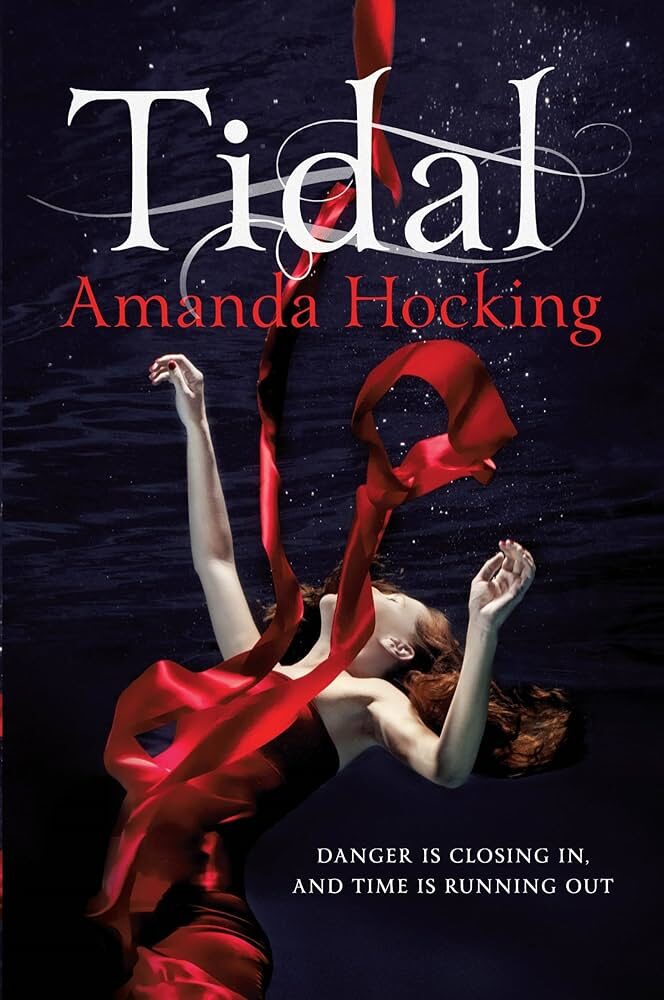
Amanda Hocking burst onto the scene with her “Trylle Trilogy” and “Watersong” series.
As a self-published author, she impressively sold over a million copies of her books, demonstrating the vast potential of self-publishing vs traditional publishing in reaching readers on a large scale.
Hugh Howey
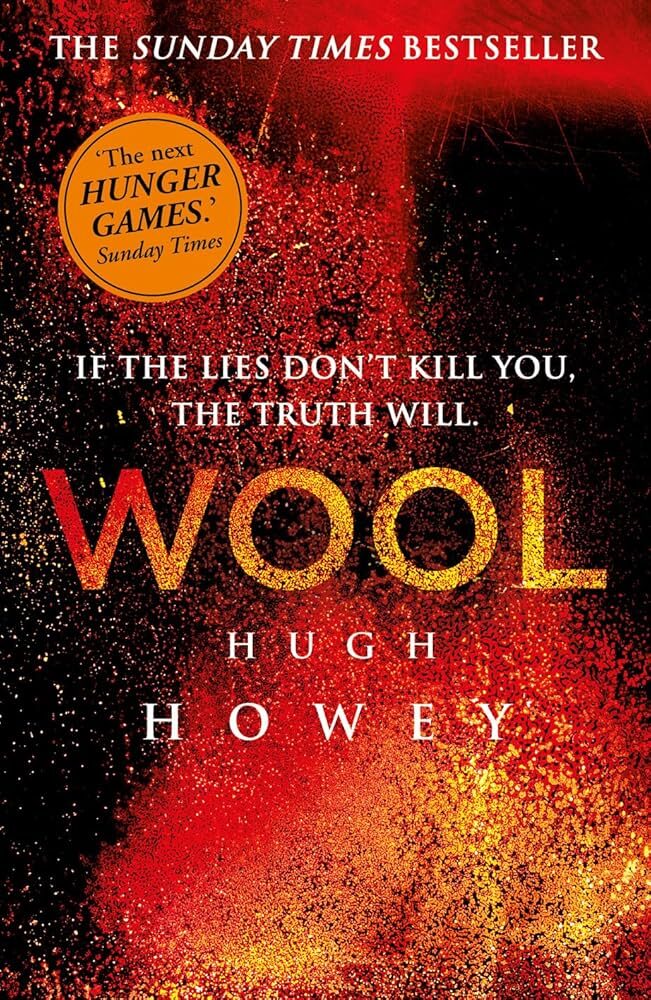
Hugh Howey’s post-apocalyptic series “Wool” gained rapid popularity in the self-publishing world.
The intrigue and engagement with his series were so substantial that he became a benchmark for success in the realm of independent authors.
Andy Weir

“The Martian” by Andy Weir began as a labor of love, shared chapter by chapter on his blog.
As he transitioned to a self-published eBook format, the tale of survival on Mars captivated hundreds of thousands, marking Weir as a standout self-published author.
LJ Ross
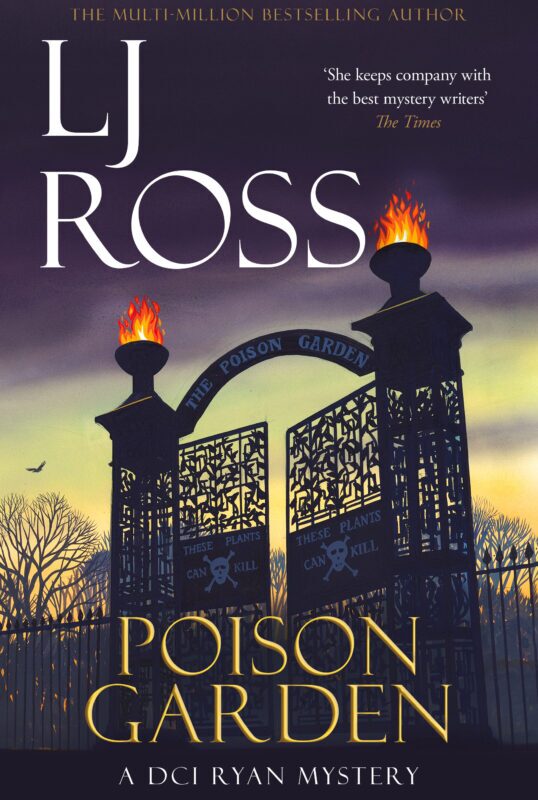
With her gripping “DCI Ryan” mystery series, LJ Ross carved a niche in the self-publishing world.
Her engaging narratives resonated with readers, leading to sales of over 4.5 million copies and establishing her firmly as a powerhouse in genre fiction.
Rachel Abbot
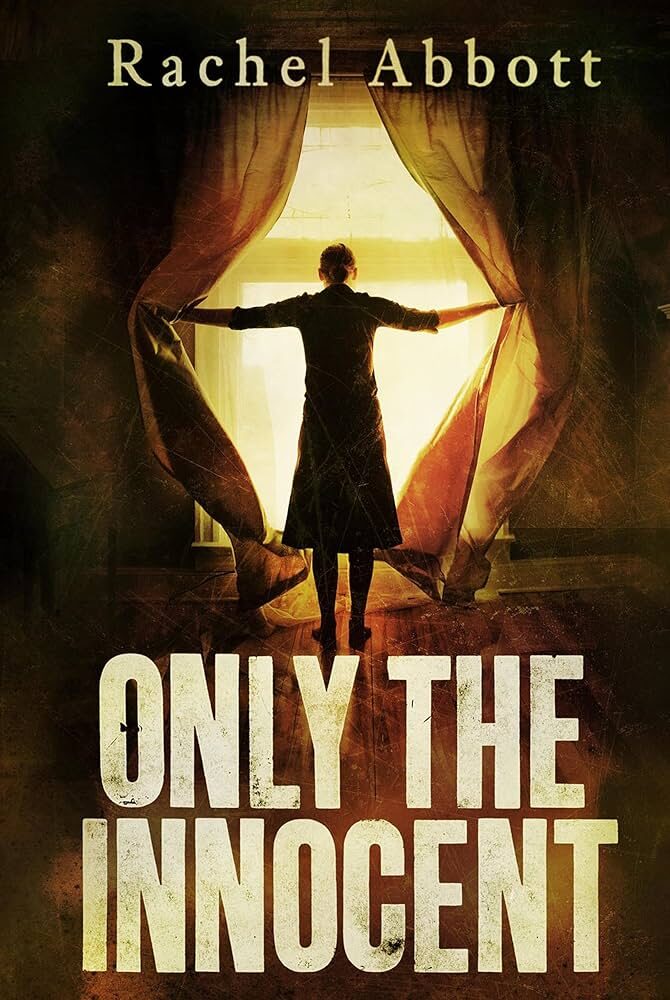
Rachel Abbott’s psychological thrillers, including titles like “Only the Innocent” and “The Back Road”, are prime examples of self-publishing achievements.
Her debut novel climbed to the number 1 spot in the Amazon Kindle store in the UK, setting a precedent for her continued success.
Mark Dawson
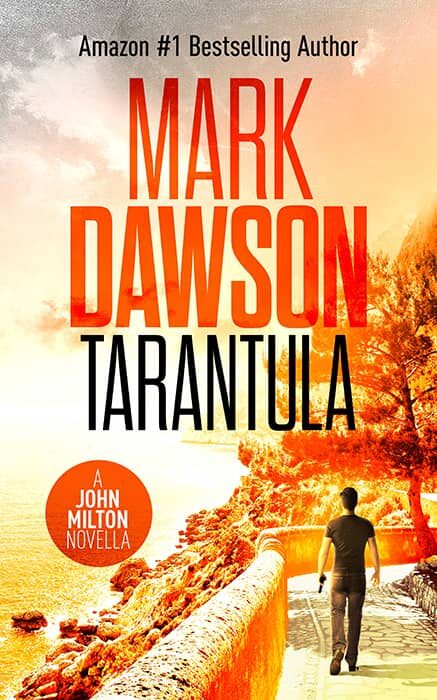
Thriller aficionados quickly became familiar with Mark Dawson’s series, such as “John Milton”, “Beatrix Rose”, and “Isabella Rose”.
In the self-publishing world, Dawson’s books reached hundreds of thousands of readers, and he’s also revered for sharing business insights related to self-publishing, benefiting many aspiring authors.
Each of these authors showcases the immense potential and reach that self-publishing offers, making a significant impact without the traditional publishing middleman.
Should you self-publish your book?
We strongly feel that choosing to self-publish your book is the best move for both your short and long-term author goals.
Having worked with countless self-published authors, as well as publishing many books independently ourselves, we know just how much of a life-changing process it can be.
Many people describe becoming an independent author as the third most meaningful moment of their lives, following only their wedding and birth of their children.
We want you to experience the same levels of success and creative freedom for yourself.
Are you ready to make it happen?
Good – we’d love to help you every step of the way.