











When my writing mentor started out in his career, he didn’t need an author platform. In fact, social media hadn’t even entered the world. What he did need was to commit to do whatever was necessary to become a successful author.
For him, this meant writing for a specific amount of time every day, keeping his family first (not his career), and welcoming constructive criticism so he could grow.
Today, those needs remain, but we’ve added the necessity of author platform. He reminded me of this when I began planning my author career, and helped me craft a plan for success. We’re here to do the same for you!
If the platform word sounds overwhelming to you, here’s some good news: we’ve taught over 8,000 authors how to write, publish, and market their books over the last 10 years. Ready to be the next equipped author? Just keep reading.
Author platform: what’s covered
What is an author platform?
According to Jane Friedman, an author platform is the ability to sell books because of who you are or who you can reach. Think of it this way: an author platform is everything you’re doing online and offline that may result in selling books.
If you have a strong social media presence, you can leverage it for your book marketing. If you speak at events (yes, small ones count), you can talk about your book there.
An author platform is the stage on which you step to tell the world about your book so they have opportunity to purchase it. If they don’t know it exists, how can you sell it?
What is the best platform for writers?
The best author platform is the one you can build. If you dislike social media and showing up there, no worries. Pour into your newsletter list and your commitment to growing those numbers. If you dislike writing blog posts but love public speaking, build your platform there.
With an author platform, you can:
- Help your target readers discover your books
- Engage and retain existing readers
- Earn the trust of your target readers
- Sell more books on a regular basis
Your author platform allows you to build relationships with a diverse group of people online and offline so more people have the chance to benefit from your work.
How to build an author platform?
You build an author platform by becoming intentional about how you use your presence, both online and offline. In a writers workshop I taught on branding, I stressed the fact that we all already have a brand.
Whether we realize it or not, how we present ourselves communicates something to those who are watching. Building an author platform simply means taking control of how you come across so that you bring awareness to your books.
Now that you know what an author platform is and why you need one, let’s look at the steps you can take to build your own.
1. Identify and define your brand
To identify your readers, you must first identify what you have offer. You can do this be defining your brand. Your brand helps people to form an opinion about your books through your personality, your values, your voice, and even the feelings you stir up every time they read your books or come across your website and social media profiles.
To identify and define your brand, consider the following:
- Decide if you’re going to use your real name or a pen name
- Use only one professional headshot to avoid confusion
- Come up with a tagline that communicates what you offer
- Choose words and phrases that best describe your brand
- Identify colors and fonts that fit with your brand and limit yourself to them
Use all the above points consistently on your website, social accounts, emails, email signature, and author bio. When you take the time to identify and define your brand, you effectively communicate who you are so you attract the readers who want what you have to offer.
2. Know your target readers
To build an author platform you need to know who you want to connect with, also known as your target audience.
Ask yourself the following questions to better understand your readers:
- Who are they?
- What do they do for a living?
- What’s their age, sex, marital status, and location?
- What are their hobbies, interests, and motivation?
- What challenges and problems do they struggle with?
- What makes them happy and unhappy?
- Where do they spend their time online and offline?
Once you know a bit about your readers, do the following:
- Use Google to search for communities where your audience may be active
- Look for books similar to yours and take note of the people reading them
- Identify the book format, book genre, price, number of pages, etc., your audience typically purchases
- Conduct research on social media for groups interested in books similar to yours
When you know your target readers, you can apply that knowledge to everything you’re doing and build an author platform that successfully draws in and engages this audience.
3. Create a website
My website is the cornerstone of my brand and is the online presence I most invest time, thought, and resources into building. Along with communicating your brand, your website should use a functional design so users can easily navigate your site.
Your website can help build your author platform by:
- Helping you appear in search engines when people look for you online
- Showcasing you in a professional way that boosts your credibility and helps build trust
- Ensuring you retain access to your audience: social media is not in your control, your website is
- Letting people learn about you at their convenience, irrespective of time zone or location, all over the world
- Sell your books directly
To be able to enjoy all these benefits from your website, it’s important to make sure that your website is mobile friendly, contains content that’s easy to read and scan, loads quickly, is easy to navigate, and is also accessible from any browser.
4. Blog consistently
To build your platform through blogging, it’s important to write for your audience and always provide value.
While you do not have to blog, consistent posting can help boost your online presence in search engines, as well as:
- Establish your writing habit
- Position you as an authority and expert on your subject, increasing your credibility
- Engage with readers through comments (this can help you build a community or a tribe of loyal fans who leave you 5-star reviews!)
- Build strong relationships with other bloggers, influencers, authors, the media, etc.
Don’t forget to observe blogging best practices: use images and alt text, write for search engine optimization, craft magnetic headlines, and publishing consistently.
5. Build an email list
Your email list is a list of people who gave you permission to contact via email. One key advantage of having an email list is that no one can take it away from you.
Here’s how to build your email list:
- Choose an email service provider (example: Mailchimp)
- Build a sign-up form on your website
- Create a lead magnet (a gift that incentivizes someone to sign up)
- Decide how often you’re going to send emails to your list and be consistent
- Ensure you always send personalized emails that provide value
- Remember to provide a way for people to unsubscribe
With an email list, you now have people that are interested in your brand and can be reached directly through emails, one on one. You can use this opportunity to share relevant information about you or your new releases, when you’re ready for a launch team, when it’s time to share the date of your book launch or other events, and even sell directly to them on occasion.
Check out this interview video with Chandler Bolt and Nick Stephenson that goes over how to build your audience as an author:
Just in case you’re not aware, email marketing is known to be one of the most effective marketing strategies with a tremendous return on investment. Whether you start with 0 or 5000 subscribers, with persistence and best practices, you can grow your email list and author platform.
6. Write guest posts
A guest post is a blog post or an article that you write and publish on another person’s site.
This can help you:
- Introduce your brand to a new group of people
- Direct more traffic to your website
- Attract new people to your email list
- Boost the SEO of your website
For you to successfully build your platform through your guest posting effort, don’t forget to:
- Ensure the website will allow your byline
- Check their audience aligns with yours
- Follow guidelines
- Pitch an original post
- Respond to comments
Side note: Do your best to pitch websites that allow guest posts. I receive many offers for guest posts on topics that do not align with my brand. Doing this is undermines your author credibility, so be sure to do your due research before pitching.
7. Connect offline
Your platform is not restrained to online only.
Here are some ways to connect offline:
- Inform family, friends, neighbors, and other groups in your community about what you do
- Create business cards that has your website information
- Join author groups and associations in your community
- Become a guest on a podcast or on radio or television
- Support your local libraries and bookstores
- Attend writer conferences and events
- Pursue speaking engagements
Self-publishing success stories often include authors who pursue building their platform both on and offline.
8. Use social media wisely
Your social media presence can put your brand in front of a large number of viewers, which increases your brand visibility and builds your author platform.
Here are some simple tips for using social media as an author:
- Identify all the social media platforms where your target readers can be found
- Choose one or two that you like and are comfortable with and learn everything about them
- Come up with a strategy on how you will use each social media to achieve your goal
- Decide in advance how much time you can afford to spend on social media daily, then keep to it
- Create a profile and start posting, using the strategy you can sustain
Even though social media can be used effectively to build your author platform, almost everyone agrees that it can take up a lot of your time if you’re not careful. Moderation is key.
Side note: You never know when you may go viral or a post may simply connect with people and bring in more followers (Instagram broke once and my post was stuck at the top of the feed. My Instagram BLEW UP). Create profiles that support your brand and author platform so when you do start to gain traction, your brand is cohesive from your website, to your books, to your social media.
Author platform: take your next step today
Now that you know how to build your author platform, come up with your own plan of action by identifying the step you want to pursue first.
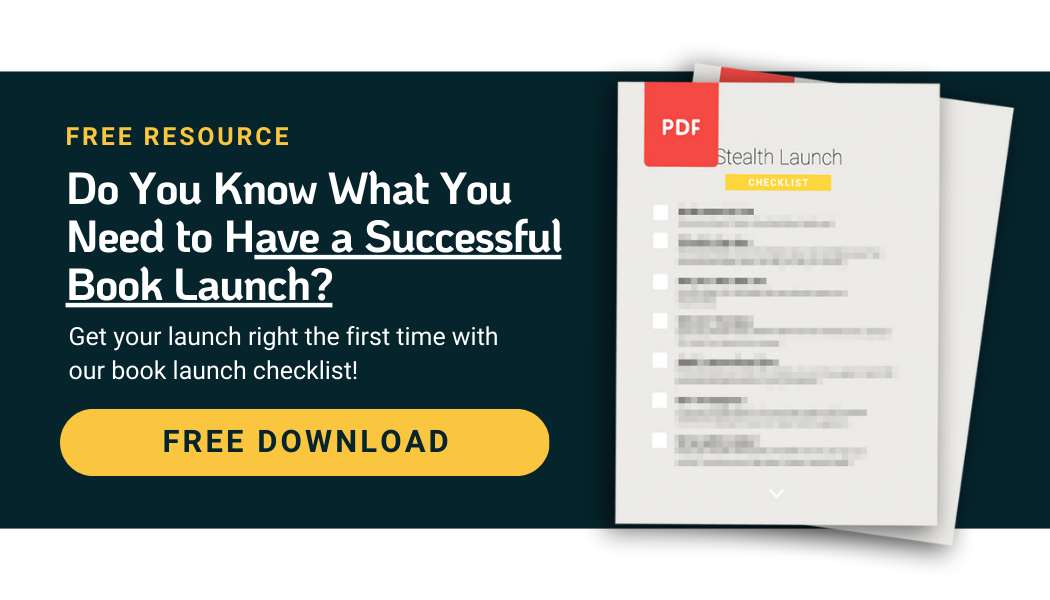
Remember, just like learning how to write takes time, building an author platform cannot be done overnight. The earlier you start, the better. Use our free resource below to get started today!
This blog was rewritten from the original version published by Sola Kehinde.