




What makes a good audiobook? As a voracious reader who squeezes in stories while lifting weights or threading a needle, I’ve asked myself that question countless times. It doesn’t matter whether I’m deep into a mystery during my morning run or cross stitching to the rhythm of a fantasy epic — a good audiobook can completely transform the experience.
But not all audiobooks are created equal. Some draw you in and keep you hooked, while others fall flat. What sets a good audiobook apart, and why does it matter for both listeners and authors?
There is an entire audience who have no idea that your book could change their lives. In fact, they don’t even know it exists if they only listen to audiobooks.
Don’t worry! We can fix this, just hang out with me for about 10 minutes or so, and you will be equipped with encouragement, inspiration, and most importantly, a plan!
With so much useful information packed into one post, we’re going to break it down to some basic questions straight from middle-school English class.
Here’s what we’ll cover in relation to audiobook creation:
- WHY make an audiobook?
- HOW do I make an audiobook?
- WHAT makes a good audiobook?
- WHO should narrate the audiobook?
- WHEN should I start on this? (+ Actionable steps)
Why make an audiobook?
Good audiobooks are POWERFUL lead magnets.
Benefits include:
The obvious: More Book Sales!
Why not just sell both the digital and the audio? I know the temptation. After investing all this time and money into this audiobook, I need it to “pay” off, so why should I give it away? If that’s a hurdle you can’t get over, at least try using it as a lead magnet for a limited time, then switching to paid. Doing it this way allows for #4 (below) to thrive.
Fewer customer complaints.
When people get an audiobook for free, they are less likely to complain about it, though it still happens. However, this releases you from feeling like you have to have the perfect product. As Chandler says, “done is better than perfect.” We’ll cover more in the ‘how’ and ‘what’ sections.
Audiobook sales.
If you decide to put the book on Audible (the leader in audiobook production) or other sites like Findaway Voices, you will still get sales from people who never took the time to visit your Amazon (or other) page.
The most obvious: Build Your Subscriber List!
Having an author career is a long game. It requires support and a following at the least. This is the point of a lead magnet, to entice readers to sign up for your correspondence. Subscribers by email are gold for an author. Check it out here (and get a free audiobook) to see how the process looks from the subscriber’s side.
None of the other questions matter if we don’t understand our “why.”
As an author, you want to reach a broader audience while also better serving your current readers.
The market for digital and print books is saturated (which isn’t the worst thing), but the audiobook market is still wide open. This is a great time to jump in, stand out, offer more, and expand your reach.
Find out how I “read” 50 books in a year and see which ones they were, but only after you finish reading this post!
Go ahead, right click and “Open Link in New Tab,” and click back over here. This post isn’t going anywhere.
Need some more social proof? How about actual statistics? Here are some highlights from the 2018 global audiobook trends article:
- Audiobooks are growing faster than any other digital publishing.
- Nearly half of all listeners are under 35 and listen to 15 books a year, claiming that “audiobooks help you finish more books.”
- People choose audio for multi-tasking, portability, and the novelty of someone else reading to them.
- Podcasts (another growing industry) are a gateway to audiobooks.
- Some publishers are skipping ebook production and going straight to audio, recognizing that audiobook sales are independently increasing.
Are you convinced yet? Before you go hire someone or crank up your voice memos, read on to see how best to create your audiobook.
How do you make an audiobook?
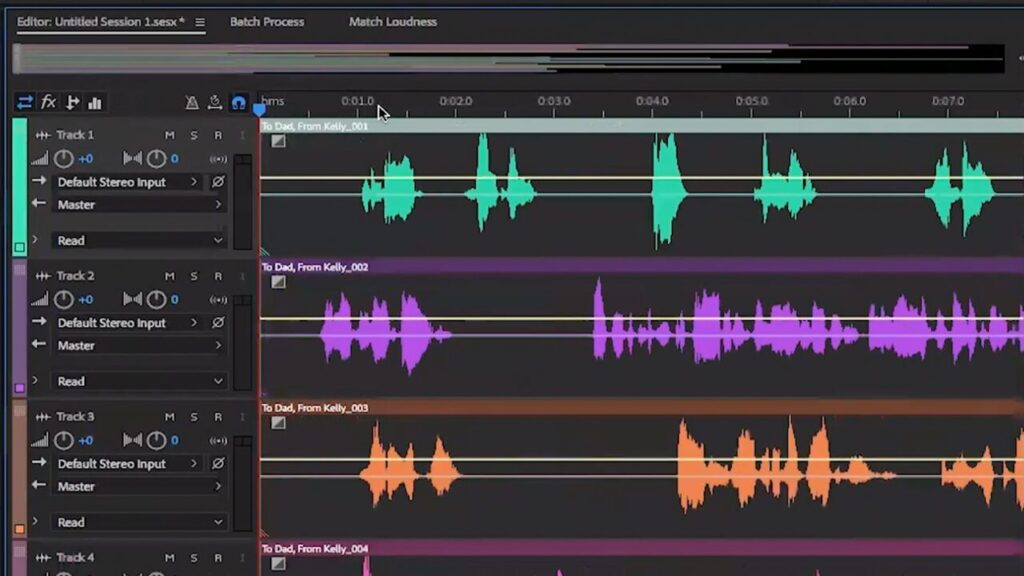
SPS has a great post here about how to make an audiobook. It includes tips on prepping your content, recording, hiring narrators, equipment, uploading to ACX (Audiobook Creation Exchange) for Audible, and more.
In addition to those things, here are a few tips from my experience when producing my first audiobook.
- Use two computers or devices. I used one to handle the recording and audio editing (I chose to do simultaneous editing), and the other to read from while revising. No matter how many times you edit your book, you’ll always want to tweak something; recording your audiobook is no exception. If you’ve hired out your formatting, make notes for them of what you’ve changed.
- Keep plenty of water nearby. One time while recording some of my music in a studio, the producer told me to take a drink of water before every take. I didn’t realize how much difference it made until I tried it. Take a deep breath and a big swig before each take.
- Don’t beat yourself up for tripping over words. If it keeps happening, take a break.
- Invite or hire a professional or semi-professional to help with setup. If you have any musician friends or podcaster buddies, have them help set up your environment and equipment, down to chair placement and lighting. I made the mistake of trying to do it all by myself (cue Eric Carman) and I ended up re-recording my book 1.5 times—that’s 2.5 total! It was a mess.
- BONUS: A crucial piece of advice: listen to good audiobooks in your genre. This should sound familiar, as it’s common advice to read the genre you write in, and it’s just as important to listen to it. To be a great writer, you must be an avid reader (and listener!)
Now where are good audiobooks made? There are plenty of platforms you can try. As mentioned above, ACX is the main one, but here is a list of your top four options:
ACX (Audiobook Creation Exchange)

- Best for: Authors publishing to Audible, Amazon, and iTunes
- Why it’s popular: ACX is owned by Amazon and is the go-to platform for creating and distributing audiobooks to Audible, Amazon, and Apple Books.
- Features:
- Hire professional narrators or record yourself
- Royalty share and pay-per-finished-hour models
- Distribution to major retailers
Findaway Voices (by Spotify)
- Best for: Wide distribution beyond Audible
- Why it’s popular: Offers distribution to over 40+ retailers and library services like Scribd, Chirp, Apple Books, and more.
- Features:
- You retain control over pricing
- Hire narrators or upload your own files
- No exclusivity requirements
Authors Republic

- Best for: Indie authors who want hands-off distribution
- Why it’s popular: Simple interface and wide distribution network, including Audible, Google Play, and libraries.
- Features:
- Supports self-narration or pro narration
- No exclusivity
- Royalty payout every month
Spoken Realms
- Best for: Experienced narrators and high-quality production
- Why it’s popular: Focuses on professional productions and typically works with seasoned voice actors.
- Features:
- Royalty share or per-finished-hour rates
- Strong quality control
- Focus on public domain and commercial projects
Let’s get back to business! What makes a good audiobook?
[Pssst! If you want to see some of our Students’ books, check out the SPS Library!]
What makes a good audiobook?
- Start with a solid foundation: Before producing an audiobook, be sure that you have invested in proper and sound editing, cover design, formatting, and a strong launch plan.
- Cast the right voice (even if its yours): The narrator can truly make or break an audiobook for me. A good audiobook more or less equals a good narrator. If I can’t stand the voice, or they don’t emote enough, I will turn the book off and find a physical copy.
- Conviction: Not only does your book need to be believable, but your narrator needs to convey the same conviction as you did when writing it.
- Eliminate Mouth Sounds: This. Was. A. Pain. You, like me at one point, probably have no idea how much sound your mouth makes, from breath control to saliva and lip smacks. I ended up hiring someone from Fiverr to go through and edit my four-hour audiobook; the cost was around $300, which included mastering (adjusting the levels and frequencies for the specific ACX requirements).
“Is my book right for audio?”
I would argue that ANY book can be useful as an audiobook!
“What about children’s books?”
Imagine the novelty of having the author narrate his/her own work while the kids flip through the pages, all without having to go to a book-reading.
“How about short, daily reads, like religious devotionals?”
My non-fiction book is a weekly devotional for people wanting to grow in worship,
“I’ve got you on this one: cookbooks!”
Au contraire…imagine how helpful it could be to have someone walk you through a recipe in real time, hands-free. If that doesn’t quite work, it can still serve to push people to your digital/physical book for reference and pictures.
In fact, some audiobooks come with companion content such as Good Clean Fun by Nick Offerman.
By now, you’re seriously considering this audiobook thing. Logically, the next thing to work out is WHO should narrate your book.
Who should narrate my audiobook?
Having a perfect book will not save you from poor narration. Audible makes it a point to offer a Performance section in their reviews.
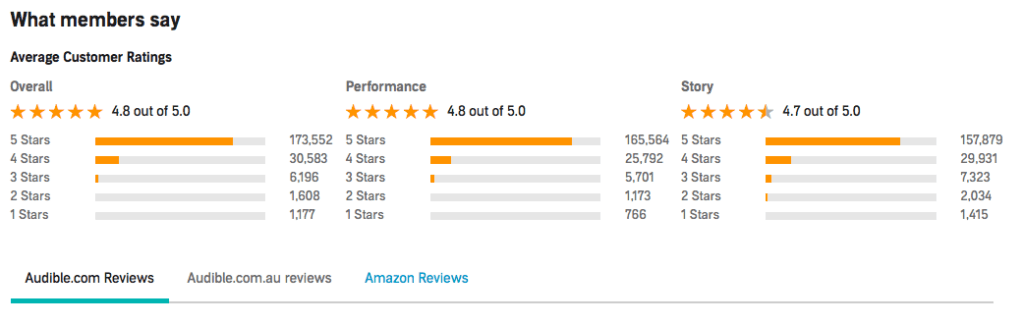
Did you also notice the tab below for Amazon Reviews? That’s even more reason to get the ‘what’ right in this entire process.
When it comes to narration, there are two ways to go: do it yourself or hire it out.
Narrating Your Own Book:
There a plenty of advantages here. If you choose this route, you can either set up your own recording space or purchase studio time with an engineer.
Many readers will say they prefer authors to narrate their own works because it’s more authentic to the intentions. However, not all writers are great narrators.
I suggest this, a test run:
- Use a phone app or voice recorder and try reading a chapter into it.
- Listen back with objective ears, imagining your ideal reader.
- Ask yourself if you were drawn in to the story or distracted by the narration. Be honest with yourself, and consider what it would take to make it better: cadence, pronunciation, accent, or perhaps a professional narrator. *If you choose to tackle accents, do your best to respect them rather than stereotyping. Audiobook listeners tend to care about accuracy and honor. For example, in England alone, there are half a dozen or more accents. In America, southern accents vary across states and regions.
- Send the sample to an objective friend (preferably one familiar with the accents and style you’re going for), and be open to honest feedback.
If you decide self-narrating isn’t for you, then you can hire a professional.
Tups for hiring a narrator:
- Cost: Narrators can be paid in different ways. ACX offers an hourly rate or a 50% split royalties option. There are other ways as well, such as Upwork, Fiverr, and Voices.
- Voice: fiction or non, nailing the voice is a make-it-or-break-it detail for many listeners. In fact, Audible has an entire section of its reviews dedicated to Narrator Performance. There is a common consensus that says having an non-preferred narrator is one of the biggest turn-offs for listeners.
- Communication: you’ll want to make sure the narrator gets the pronunciations right as well as any specific occasions of sarcasm, humor, drama, timing, or more. They can fix some things in post-production, but changing the pronunciation of a main character’s name after finishing the book would be nearly impossible. It’s not as simple as “Find and Replace” (one of my favorite word processing functions!). ACX has great videos to help with such things.
- More tips: ACX | AME | Stacked
Examples of good audiobooks
Project Hail Mary
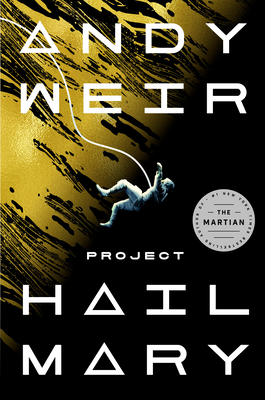
When anyone asks me what my favorite audiobook is, the answer is Project Hail Mary. This book is truly meant to be heard and not read. Not only does the narrator emote so well he might as well be the author, there is a certain character that is portrayed in a very special way (no spoilers!) that is simply lost if you don’t listen to the audiobook. Trust me, just give this a listen.
Pretty Girls
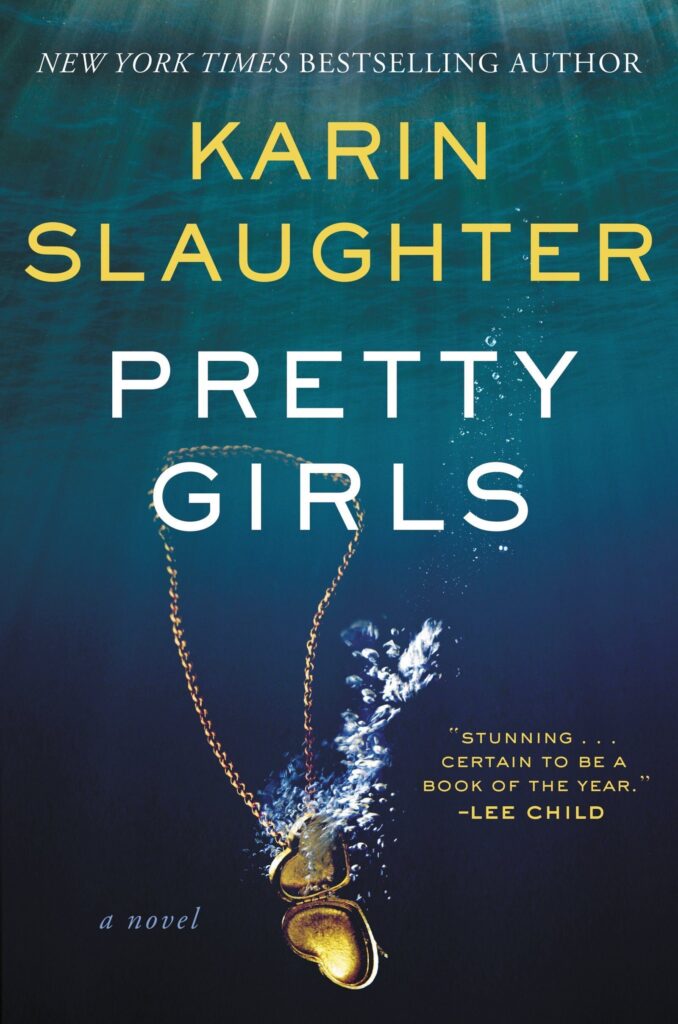
If you are looking for a thriller that whisks you away for hours on end, Pretty Girls is it. Kathleen Early did a great job with narration and she never misses a beat, keeping you deeply enthralled for the whole journey.
Dungeon Crawler Carl
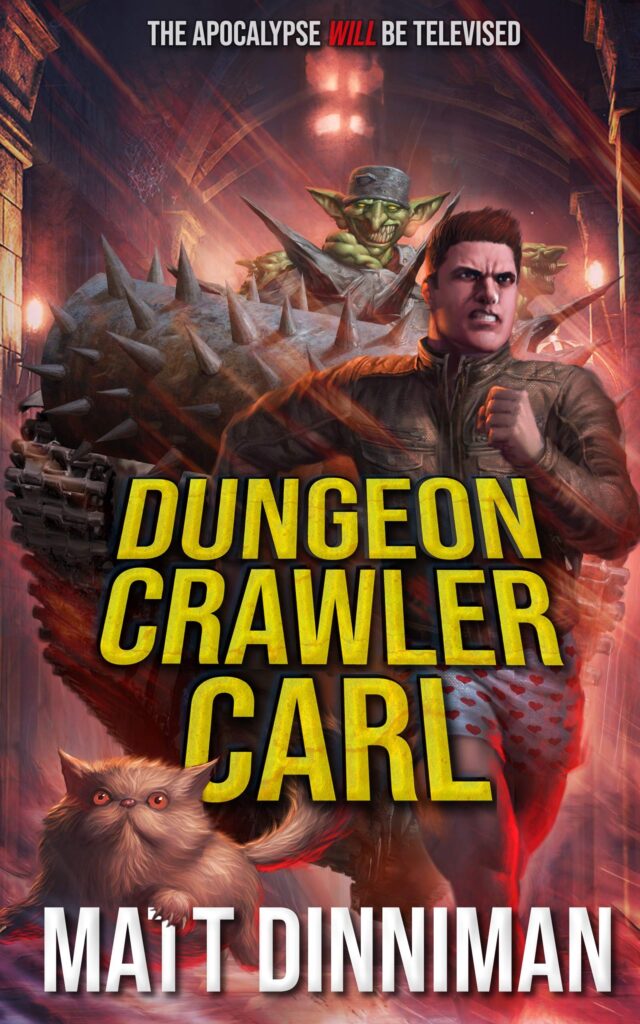
I don’t want to give anything away about Dungeon Crawler Carl. Don’t judge it by its cover, this is the most fun I have had with a book in years. It’s a wild ride from start to finish!
Strange the Dreamer
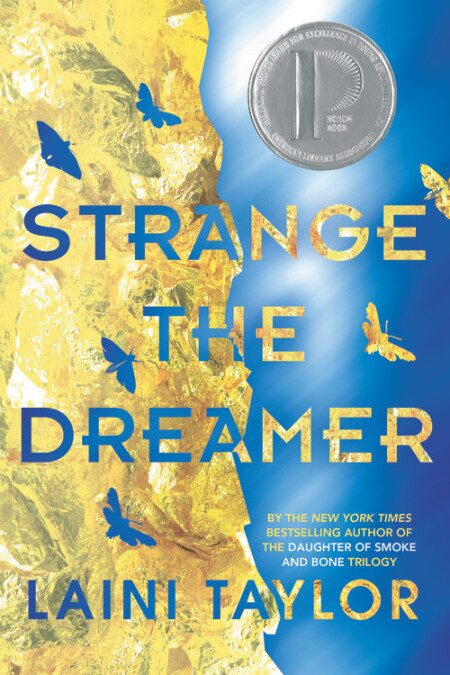
Strange the Dreamer was a magical experience to listen to. There is music at the beginning and end of every part that truly transports you to another world. I can still hear it in my head to this day. Not to mention, the narration is fantastic – as is the story!
Finlay Donovan is Killing It

Angela Dawe is what MAKES Finlay Donovan is Killing It. She narrates the whole series and does some of the best character voices I have ever heard. This is the funniest murder mystery series I have ever read or listened it. And it’s thoroughly worth a listen.
When to start making an audiobook?
If this post has stirred you up at all, then you must act!
You and I both know this to be true, so here are some things you can do right now to become a better writer and jump start your audiobook production.
- Try the self-narrating tip. For me, I’ve always loved doing impressions and finding new voices and accents. In fact, it has influenced my writing; I now try to include characters whose voices I know I can give life to. Recently, I made one of my characters Scottish, an accent I’ve always admired and respected.
- Get started listening with Audible right now if you haven’t already, and start reading reviews, specifically in the Performance section. There are also plenty of free audiobook sources out there.
- Continue polishing your book as best you can. Adjustments to the written word are fairly easy, but punching in seamless narration is nearly impossible. It doesn’t have to be perfect though! There is always the option to re-record your book (and likely be even better the next time around) or hire someone else to do it.
- Read the SPS post about making a good audiobook, and revisit the myriad links in this post.
Originally written by Michael Lacey. Edited and updated by Audrey Hirschberger.