

















When I talk to aspiring authors every day, one of the most common things I hear is: “I’ve lived through something worth writing about, but I have no idea where to start.” And I get it. Writing a memoir is deeply personal, and the thought of turning your memories into a book that others will read can feel overwhelming.
At Self-Publishing School, we work with people just like you who are ready to share their stories but need guidance on how to begin. Whether you’ve survived something extraordinary, experienced a transformative journey, or simply want to leave a legacy for your family, your story matters – and it deserves to be told well.
In this post, I’ll walk you through exactly how to start a memoir, from finding your focus to crafting a powerful opening that hooks your reader. Let’s break it down together and help you take that important first step toward publishing your story.

As any fan of memoirs will tell you, memoir is an immensely powerful medium.
Reading compelling, real-life stories about other people can hit home like nothing else, so when you set off to write your own memoir, it can be daunting just to get started. Whichever part of your life you’re focusing on, how do you know where to start?
This guide to how to start a memoir will cover:
How to start a memoir step-by-step
Here are some suggestions for how to start a memoir:
Start with a story
Begin your memoir with an anecdote. It should be something which connects to the rest of the memoir—if you’re writing about your childhood in rural Kentucky, for example, the anecdote should be related to that. It should also connect to the themes you’ll explore throughout your memoir.
Take a look at the opening to Bread: A Memoir of Hunger. Knopp uses specific detail and relatability to make her story pop and draw the reader in. That same story might fall flat without the dialogue and sharp descriptions. You don’t necessarily have to be relatable in your opening anecdote, but it is important to use all the rhetorical tools in your arsenal to hook your reader.
Not sure how to do this? Focus on the senses. What does the scene smell like? Are there any distinctive visuals? What about taste, touch, and sound? Plant your reader in the middle of an interesting story, and they’ll want to see it through.
Start with stats
Let me be clear: you definitely don’t want to open a memoir with an info-dump or an expository paragraph listing statistics and facts. You wouldn’t want to do this in any book, and especially not in a memoir, where readers are looking for a more creative, artistic experience.
This doesn’t mean you can’t use statistics, though. If there’s a statistic about your subject that stands out, try using it to get your reader’s attention. Make sure to tie this statistic to yourself or the memoir’s themes as quickly as possible to keep the information relevant.
Treat it like a novel
Memoir, unlike autobiography, isn’t concerned with minute facts and timelines. It’s more interested in expressing the symbolic truth of an event or period of time in someone’s life. For example, say you’re writing a memoir about the group of friends you had in college. You may gloss over detailed information about, say, your upbringing.
In this respect, a good memoir tends to read more like a novel than like an autobiography. The people in it become characters, and the settings need to pop just like they might in fiction. Similarly, you should use dialogue, description, and supporting characters to your advantage.
What does this mean when it comes to writing your opening? Think of it like you’re opening fiction. Look for tips on writing a good fictional first chapter and apply them to your story.
Establish your voice from the first page of your memoir
Ensure that your unique personality, emotions, and worldview are worked into the narrative right from the start.
Whether it’s through vivid descriptions, poignant reflections, or authentic dialogue, let your voice shine through and create an immediate connection with readers.
This establishes your presence as the storyteller and draws readers into your personal journey.
By setting the tone and showcasing your distinct voice early on, you create a compelling invitation for readers to join you on an intimate exploration of your experiences, making your memoir all the more engaging and memorable.
The right question or statement sets your memoir’s tone
This immediately grabs the reader’s attention and piques their curiosity.
It could be a reflective question that sets the stage for the overarching theme of your memoir or a bold statement that challenges conventional thinking.
By opening with a question or statement that sparks intrigue, you create a sense of anticipation and invite readers to delve further into your narrative.
Draw upon sensory language to transport readers into your past
Paint a picture with your words, engaging the reader’s senses and transporting them to a specific moment in time. Describe the sights, sounds, smells, tastes, and textures that surrounded you, allowing readers to experience the scene alongside you. By creating a sensory-rich opening, you captivate readers and draw them into your world, evoking emotions and setting the stage for the narrative to come.
Use a relatable anecdote that shows the theme of your memoir
Share a specific moment that holds emotional weight and resonates with readers on a personal level. It could be a moment of triumph, loss, or self-discovery. By opening with a relatable anecdote, you create an immediate emotional connection, drawing readers into your narrative.
Consider if there is a suitable object or symbol to begin your memoir with
Choose an item that represents a pivotal moment, a cherished memory, or a recurring motif throughout your story.
Dive into the details, exploring its physical attributes, its emotional significance, and the memories it evokes. By grounding your memoir’s opening in a tangible object, you create a powerful entry point for readers, enticing them to uncover the rich layers of meaning woven into your narrative.
Leverage the power of quotes and epigraphs
Select a passage from a favorite book, a poem, or even a song lyric that resonates with the themes or experiences explored in your memoir.
This epigraph can serve as a guiding light, setting the tone and providing a lens through which readers can interpret your story. It adds depth and layers of meaning right from the beginning, igniting curiosity and inviting readers to delve into the pages that follow.
Invite your readers to reflect along with you
Pose a thought-provoking question that aligns with the central themes or challenges explored in your memoir.
This question should be universal in nature, tapping into shared human experiences and emotions. By starting with an open-ended question, you engage readers from the outset, encouraging them to contemplate their own perspectives and relate to the upcoming narrative.
Don’t be afraid to use similes and metaphors
Paint a vivid image in the reader’s mind by comparing your experiences to something unexpected or poetic.
This imaginative approach immediately grabs attention and sets a unique tone for your memoir. Metaphors and similes evoke emotions, create visual impact, and offer a fresh perspective on your journey.
By employing creative language, you invite readers to explore your story through a new lens, sparking their curiosity and drawing them into the pages of your memoir.
Start your memoir with a journey into the future
Paint a tantalizing snapshot of a pivotal moment or significant transformation that occurs later in your memoir.
By foreshadowing a compelling event or personal growth, you create a sense of anticipation and curiosity in readers’ minds.
This approach generates intrigue and motivates readers to delve deeper into your story to uncover the path that leads to that captivating moment. It adds an element of suspense and draws readers into the narrative, eager to understand the journey that brings about such a transformative outcome.
What is the format of a memoir?
You’ve got all you need to write a fantastic start to your memoir! Now, let’s go over a quick format that will help you write the rest of it. Remember, your memoir should read like a novel—this format is designed with this idea in mind!
Opening
The opening to your memoir should introduce the main ‘characters’ (yourself and other important people), themes, and settings. There may be places or people you won’t introduce quite yet because they don’t appear until later, and that’s fine! But we should definitely know who our narrator is, what their core conflict is, and what kinds of themes we’ll be exploring.
Story
The ‘story’ in a memoir is the driving conflict. This is what made you sit down to write a memoir in the first place—it’s what the book is about. If you’re writing about your friends in college, for example, the story will follow that group, its formation, what you got up to, and how it fell apart.
This may be one single story, told in a straightforward way, or you might play with the formatting. A story can be told through a series of essays, like in John Green’s The Anthropocene Reviewed, it can move through time linearly, or it can jump around.
Just like writing a fictional novel, you’ll have to figure out what format is the most efficient, effective way of delivering the information you have to share. The bulk of your novel will be this section—think of it as the second act of a movie. This is where the characters respond to conflict, grow, change, and work up to the climax.
Climax
In the climax of your memoir, the themes should come to fruition. This is where the central conflict peaks, leaving the narrator to use the tools they’ve learned so far to overcome this final obstacle.
Obviously, in real life, we don’t really have ‘climaxes.’ Things don’t unfold, usually, in neat little arcs. But for the sake of memoir, you’ll have to sculpt a narrative from real events. If you’re writing about your divorce, for example, and the intense custody battle that ensues, the climax might be the day the judge finally gives her ruling. This is what we’ve been building up to throughout the story.
Resolution
After the climax, a memoir should have a resolution to show how the narrator has changed. This is where you have the chance to really bring your themes home—the way the events of the story impacted your narrator will ultimately decide the message and tone of your memoir as a whole, so it’s important to pay close attention.
For example: Say you’re writing a memoir about a custody battle, and throughout the book, the narrator has used manipulation and scheming to get his way. The judge decides not to give custody to the narrator. The narrator might reflect that this means the system is rigged and stupid, which tells the reader he didn’t learn from these events. Or, the narrator might reflect that this means he needs to change and become a better father—this gives the reader a totally different takeaway.
Staying as true as you can to people and events is important in memoir. Getting at the emotional truth of something often means adhering to the actual truth as closely as possible. The resolution or takeaway, though, is one of those places where you can add some creative liberty. At the time, maybe you didn’t find those events particularly impactful, and you’ve only come to appreciate them in hindsight. Adding the clarification of hindsight can go a long way in creating symbolic meaning that will resonate with your reader.
Do you have any memoir recommendations? Got any tips for writing or marketing a good memoir? Let us know in the comments!
Examples of how to start a memoir
What makes for a compelling start?
Here are four examples of how to start a memoir well:
The Glass Castle by Jeanette Walls
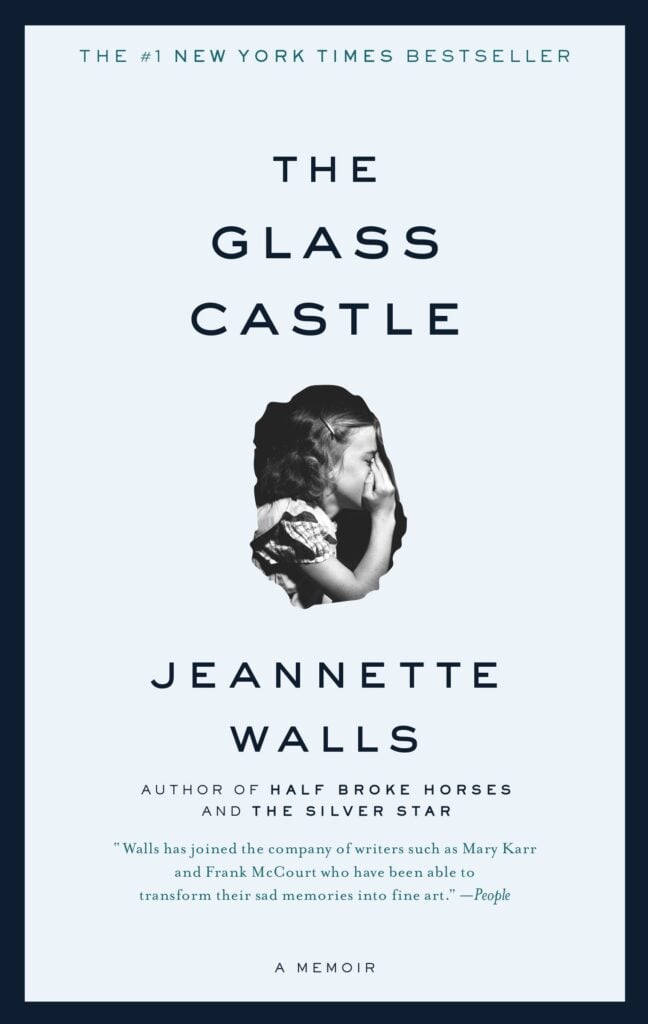
“I was sitting in a taxi, wondering if I had overdressed for the evening, when I looked out the window and saw Mom rooting through the dumpster.”
This opening launches the reader directly into action. The contrast between the narrator wondering if she’s overdressed and Mom rooting through the dumpster is interesting, but honestly, Mom rooting through the dumpster is interesting all on its own. We immediately want to know more.
Born on the Fourth of July by Ron Kovic
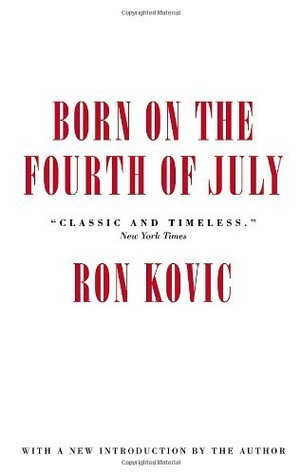
“The blood is still rolling off my flak jacket from the hole in my shoulder and there are bullets cracking into the sand all around me.”
Here, we’re given an immediate sense of danger. We know that the speaker survives, since he’s writing this memoir, but that doesn’t mean we aren’t worried about him. This opening makes us want to know how he got into this situation, what this situation is, and how he’ll survive.
Bread: A Memoir of Hunger by Lisa Knopp
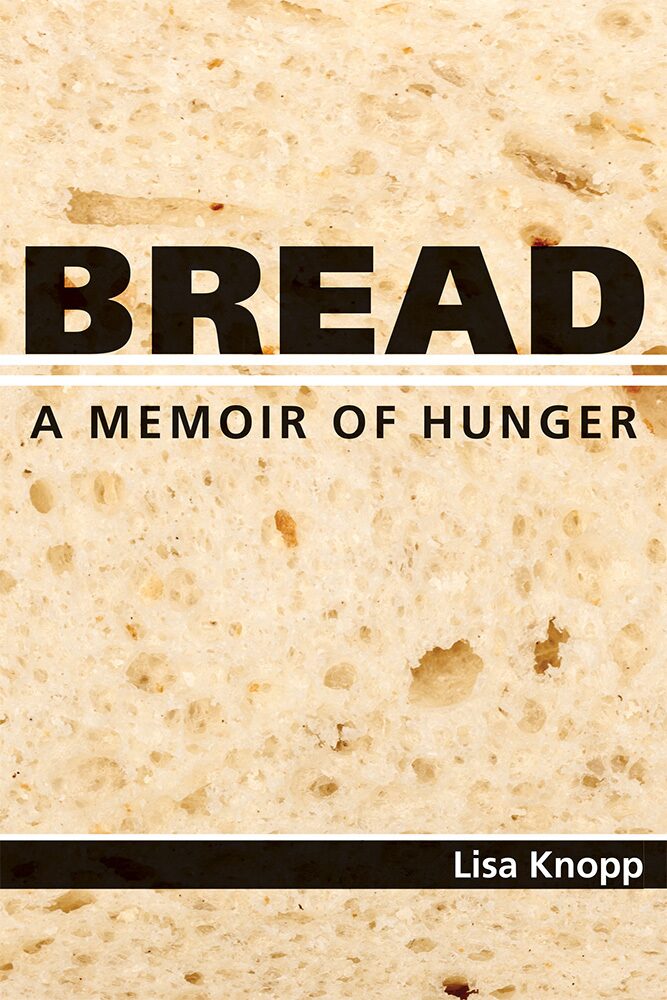
“The only bread that I knew as a child was store bought, machine made, sliced, plastic wrapped, and white. My mother insisted that my two brothers and I eat a slice of the airy bread smeared with Blue Bonnet margarine as part of our supper. ‘Eat your bread and butter and then you can go play,’ she’d say, as if it were a green vegetable. ‘Crust, too. It’s good for your teeth.’”
The details make this opener outstanding. We have different descriptions of bread and a specific, familiar brand of margarine listed. Additionally, the interaction the mother has with her children is relatable. This opening uses relatability in her anecdote to establish rapport with the reader—we like her, and we want to learn more.
Orange Is the New Black: My Year in a Woman’s Prison by Piper Kerman
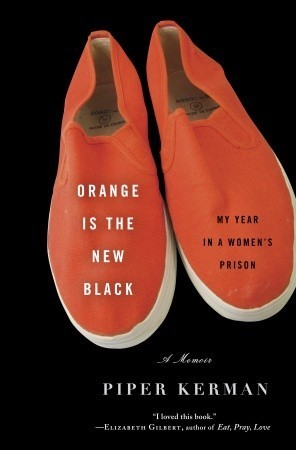
“International baggage claim in the Brussels airport was large and airy, with multiple carousels circling endlessly. I scurried from one to another, desperately trying to find my black suitcase. Because it was stuffed with drug money, I was more concerned than one might normally be about lost luggage.”
This opening sets the scene and cuts straight to a very compelling conflict: there’s drug money in the lost luggage. Again, this raises a million questions, and we expect to figure out what’s going to happen. At the same time, we’re not totally lost in this introduction. We have a guess about what’s going on based on the phrase ‘drug money’ and the fact that Piper’s in Brussels—we know that this is about selling drugs on an international scale.
This is a great example of giving the reader enough information to know what’s going on without giving the game away. We still have a ton of questions, and we’re still going to read to find out what happens to Piper.
Get a free class on how to write a memoir
Sign up below and save your spot for our next memoir class!