









When putting the finishing touches on your nonfiction book, you’ll likely be faced with a question many authors overlook until the very end: Do I need a book index?
It might seem unnecessary and like a waste of time and pages to print.
Having helped over 8,000 authors write, market, and self-publish books over the last 10 years, this sort of topic is our bread and butter.
The answer isn’t always simple, but understanding what an index is, what kinds of books benefit from one, and when to include it can help you make the right decision for your project.
Book index basics:
Book Outline Generator
Choose your Fiction or Nonfiction book type below to get your free chapter by chapter outline!
Book Outline Generator
Enter your details below and get your pre-formatted outline in your inbox and start writing today!
CONGRATULATIONS
Thanks for submitting! Check your email for your book outline template.
In the meantime, check out our Book Outline Challenge.
What is a book index?
An index is a structured alphabetical list of key topics, names, places, and concepts covered in a book, typically placed at the back. Each entry is followed by page numbers where those subjects appear, allowing readers to quickly find specific information.
Unlike a table of contents, which follows the flow of chapters, an index is designed to serve readers who are looking for something specific. It’s especially valuable for skimming and referencing, offering a shortcut through the content.
A good index isn’t just auto-generated; it’s curated with intention. It groups related concepts, includes subentries, and avoids vague or overly broad terms.
A great indexer considers not just what’s mentioned, but what readers will want to look up—and how they’re likely to think about it.
What types of books usually have indexes?
It’s true that not every book needs an index. Yours might not.
Indexes are most commonly found in:
- Academic books
- Textbooks
- Professional and technical manuals
- How-to guides
- Biographies and historical works
- Cookbooks
- Self-help and wellness books
- Business or leadership books
In short, if your book contains a large amount of information that readers may want to reference later—or if it will be used for study, research, or quick look-ups—an index can be a powerful tool.
Fiction rarely includes indexes (though there are exceptions, like epic fantasy books with large casts or complex lore). But nonfiction? That’s where indexes shine.
Examples of books with indexes
Sometimes it’s easier to just compare your type of book to one that exists already that has a book index. Here are some examples of books with indexes, and a couple images to give you an idea of what they look like:
- Atomic Habits by James Clear
- Sapiens: A Brief History of Humankind by Yuval Noah Harari
- The Body: A Guide for Occupants by Bill Bryson
- Becoming by Michelle Obama
- Good to Great by Jim Collins
- The Omnivore’s Dilemma by Michael Pollan
- Salt, Fat, Acid, Heat by Samin Nosrat
- Thinking, Fast and Slow by Daniel Kahneman
- Outliers by Malcolm Gladwell
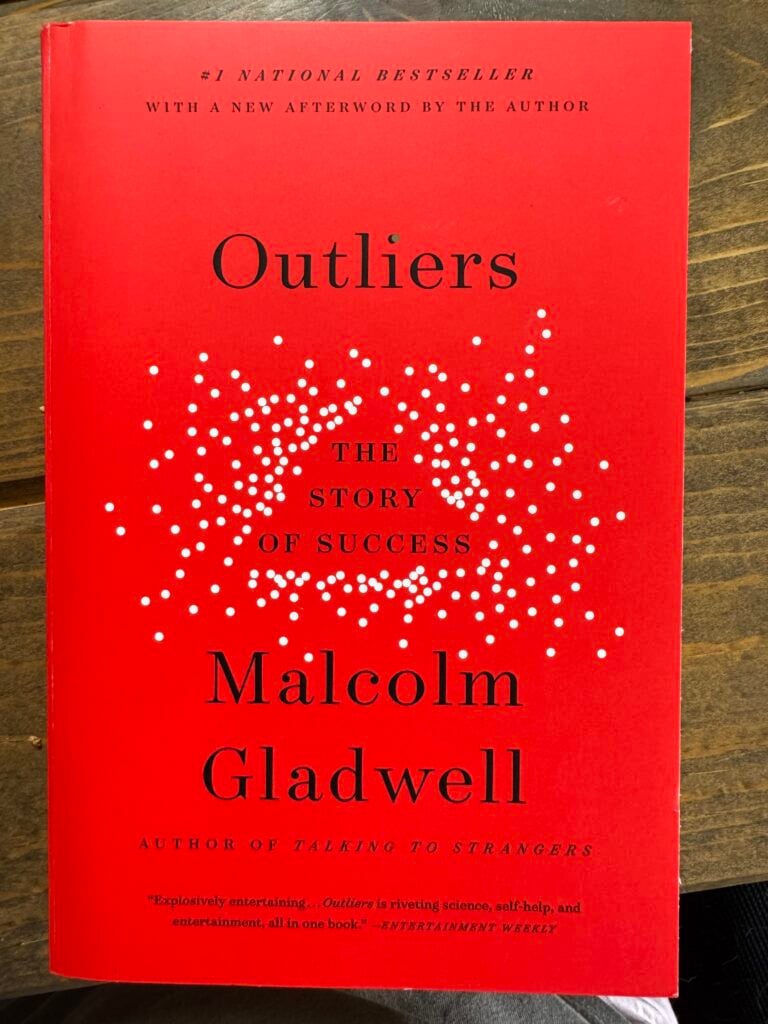
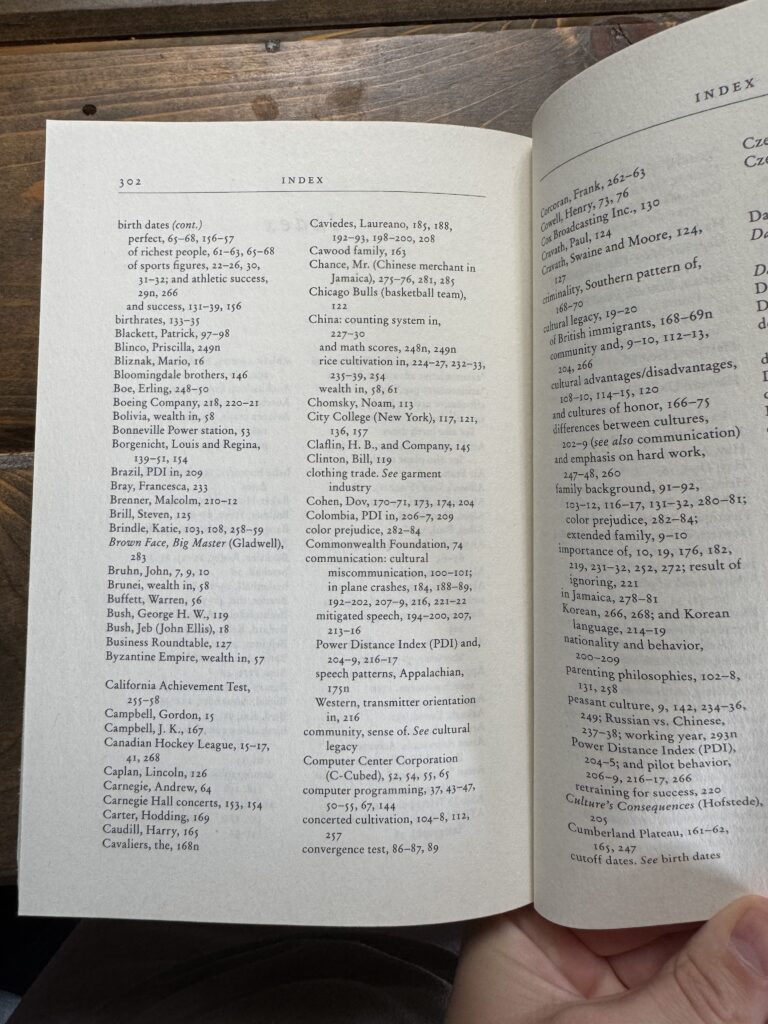
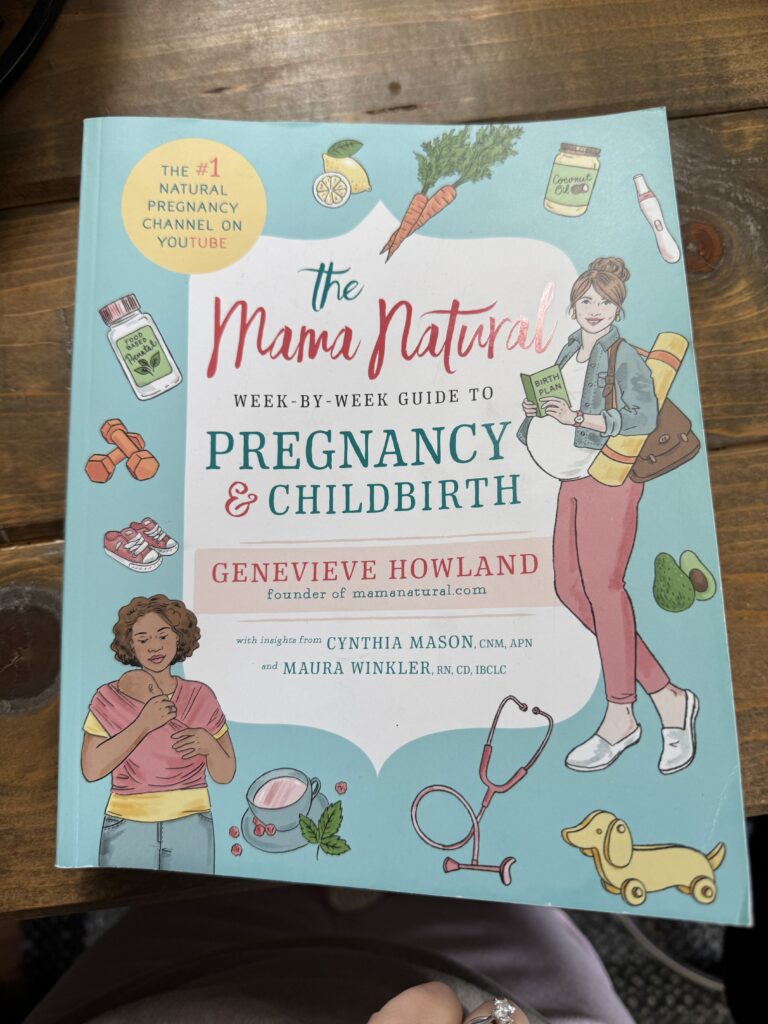
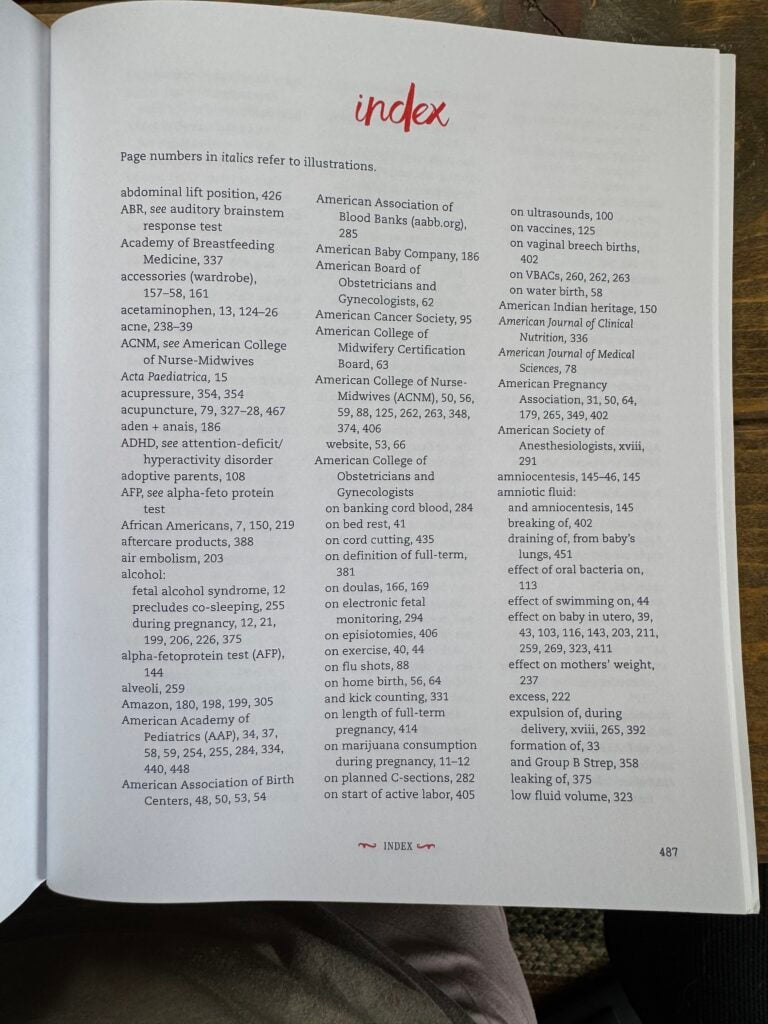
As you can see, these books are informational and educational, as well as some you’d reference time and time again. They meet the following criteria for being able to tell if you need a book index.
How to tell if your book needs a book index
If you’re still on the fence, here are a few questions to help you decide:
1. Is your book informational or instructional?
If your book teaches something—whether it’s how to grow organic vegetables or the principles of leadership—an index helps readers revisit key ideas and terms quickly.
2. Will readers use your book for reference, rather than reading it straight through?
Books that are used in chunks (like cookbooks or how-to guides) benefit from an index, because readers jump around rather than read front to back.
3. Do you expect your book to be used in classrooms or professional settings?
Academic or scholarly books nearly always need an index. The same goes for books aimed at researchers, industry professionals, or students.
4. Is your book packed with specific terms, concepts, or historical details?
If readers might need to look up specific events, names, places, or jargon—especially ones not clearly highlighted in your table of contents—an index is a strong asset.
When you might not need an index
Sometimes you might feel tempted to include one just because it would be cool to have. But if it’s not necessary, don’t spend the effort on it.
Here’s when you might not need an index:
- Your book is narrative-driven, like a memoir or travelogue, and not meant for reference.
- You already have extensive internal navigation, such as detailed chapter subheadings or hyperlinked contents in an ebook.
- The book is short or simple, and an index would be more clutter than help.
How to make a book index
Indexes can be created manually or with indexing software, but for best results—especially for print—you may want to hire a professional indexer. Many experienced freelancers specialize in nonfiction indexing and will ensure your topics are logically organized and reader-friendly.
Self-publishing platforms like Amazon KDP don’t require indexes, but they do support them (including clickable indexes for ebooks, if you’re building one yourself).
Ultimately, an index isn’t just an afterthought. It’s a service to your readers. It says, I’ve made it easy for you to find what you’re looking for. In the right kind of book, that can elevate the reader experience and make your work feel more professional and useful.
So, does your book need an index?
If your readers will be returning to your content over and over—not just reading once and setting it aside—then the answer might be yes. And giving them the tools to navigate your work efficiently could be what sets your book apart.
Book Outline Generator
Choose your Fiction or Nonfiction book type below to get your free chapter by chapter outline!
Book Outline Generator
Enter your details below and get your pre-formatted outline in your inbox and start writing today!
CONGRATULATIONS
Thanks for submitting! Check your email for your book outline template.
In the meantime, check out our Book Outline Challenge.