

















A survey of 2,000 people by OnePoll for ThriftBooks.com found that 6 out of 10 Americans have bought a book based solely on its cover. This statistic is huge, even if it’s only a small fraction of the readers in America.
Covers matter.
You may have the best book in the world, but if the cover is unprofessional or doesn’t fit genre expectations, it can be bypassed for another book.
In this book cover typography guide, we’ll discuss the importance of selecting the right typography for your book, genre expectations, and when it’s okay to break the rules.
This guide will cover:
Typography in book cover design refers to the stylized family of lettering you select for your book’s exterior. For example, Times Roman, Bodoni, and Calibri are popular typeface families.
A brief history of typography
Typography dates back to when signs and symbols were etched into carvings. These eventually evolved into letterforms or written scripts. Before the mass production of printed material, scribes drew everything by hand.
Over time, consistent lettering styles developed, so when the Tang Dynasty had the “technology” to mass-produce the oldest known dated book using wooden blocks in A.D. 868, lettering was legible, uniform, and decorative.
Later, the invention of movable type (e.g., Gutenberg Press) standardized repeatable letterforms, making it easier to produce larger quantities of books with uniformity.
As printing technology has improved throughout the centuries, designers have found new ways to express their creativity through lettering. From the dense blackletter calligraphy of early European printing to today’s vast digital lettering landscape, typography continues to be the artistic choice of wordsmiths everywhere.
Typeface categories
Typefaces can be divided into the following categories:
Serif
Serif lettering has small “feet” at the ends of the main letter strokes. The individual letter strokes can go from low to high. This category carries a feeling of tradition, formality, and authority. Example: Baskerville

Sans serif
Sans Serif letters have a smooth finish without “feet” on the ends of the main strokes. Letters come in simpler shapes and are considered clean and modern. Example: Helvetica

Script
Script varying penmanship from casual handwriting to more formal calligraphy styles. They are characterized by flowing, connected strokes that are often considered more personal and sometimes elegant. Example: Pacifico

Monospace
Monospace typeface includes coding characters with equal spacing. They have a mechanical appearance with consistent stroke widths. It has a technical or retro feel. Example: Courier

Display
Display includes highly stylized, unique lettering. They are considered high-impact, useful for headlines, posters, logos, etc. The letters are characterized by experimental proportions, heavy contrast, or special features. Example: Playfair Display

Slab serif
Slab serifs are thick, block-styled lettering. They often contain low stroke contrast and can be geometric or soft-edged. Slab serifs can be rugged, vintage, authoritative, or even quirky. Example: Rockwell

Fonts
Fonts refer to the weight, width, and style of typeface, like bold, italic, condensed, etc. While the word is often used interchangeably with typeface, the technical distinction is important, especially when dealing with licensing or typeface characteristics.
An example of a typeface family is Poppins. A few of the corresponding fonts are thin, light, regular, bold, and extra bold.
Designing typeface families
Designing typeface is a beautiful, complex process. Designers combine lettering expertise with optics and engineering. It’s more than scaling shapes. Each letter, number, and symbol within a family must be readable at a wide range of sizes in different types of media.
Letter anatomy
There are over twenty parts of anatomy for letters. Here’s a list of the ones pictured in the diagram:
- Baseline — the invisible line letters sit on.
- X-height — height of lowercase x; influences perceived size and readability.
- Ascenders and descenders — portions of letters that extend above or below the x-height, affecting line spacing requirements.
- Counters — the enclosed or partially enclosed negative spaces inside letters that determine openness.
- Serifs, terminals, and stroke contrast — details that create voice and rhythm in text.
- Stem — The main vertical or near-vertical stroke of a letterform that provides its structural backbone.
- Joint — The point where two strokes meet and connect smoothly (often curved) within a glyph.
- Shoulder — A curved stroke that flows into a stem, forming the rounded hump(s) of letters.
- Eye — The enclosed counter of a lowercase “e” (the small closed space inside the letter).
- Spine — The smooth, typically curving central stroke of an “S”; the main S-shaped stroke that defines its form.
- Arm — A horizontal or upward-sloping stroke that is attached at one end but free at the other.
- Bowl — A curved stroke that creates an enclosed or partially enclosed circular or oval counter.

Design principles
While there are tens of thousands of typeface families created daily, not every style is a good fit for your book cover. Here are some design principles to consider before making your selection.
Readability vs legibility
Readability and legibility sound like they could be interchangeable, but when it comes to designing letters, there’s a difference. Legibility refers to the individual characters that make up words and how easy it is to tell the difference between them.
For example, I find script typeface a challenge to read sometimes because of the flowy nature of the text. Since the characters connect, it can be difficult to distinguish one character from the next. This refers to readability, or how easy it is to read a block of text.
A typeface may be beautiful, but that doesn’t equate to readability. You don’t want a potential customer squinting their eyes to make out the title of your book. Hint: Do a mockup of the cover with the selected typeface and create a thumbnail. This is what potential customers will likely come in contact with in search results. If it’s easy to read at the smaller size, then it’s a keeper.
Hierarchy and scale
In cover design, you want to use typography and graphics to move the reader’s eyes to the most important areas of the cover. For most books, this is either the title or author name. For prominent sections, you’ll want to differentiate the size, weight, case, and color from the less important areas of the page, so that they won’t compete for attention.
Purpose and tone
Book covers should convey emotion, whether that’s excitement, intrigue, playfulness, or wonder. When selecting the best typeface combinations for your book, consider how you want the reader to feel when they see the cover for the first time. If you want the lettering to take the lead (rather than the graphics), look for genre-specific combinations that evoke those feelings.
Typography genre expectations
With so many typefaces to choose from, making a selection can feel overwhelming. Thankfully, readers over the decades have helped to narrow those choices by holding firmly to their genre expectations. Take a look at the Top 100 Best Sellers on Amazon, and you’ll see similarities in how specific genres are expressed through their covers.
When cover design is genre-specific, it’s easier for a potential reader to decide if your book might be for them. If your book’s cover design is a departure from what’s expected, it can confuse the reader, who will bypass your book for a design that’s more familiar. This doesn’t mean that the covers need to look the same; however, there are specific elements that readers look for when searching for books in their favorite genre.
Here are some typeface examples by genre
Thriller / Crime
Bebas Neue; Impact; Compacta; Agency FB; Neue Haas Grotesk
Mystery / Noir
Alternate Gothic; ITC Franklin Gothic Condensed; Bebas Neue; Trade Gothic Bold Condensed; Franklin Gothic
Romance
Playfair Display; Didot; Abril Fatface; Mrs Eaves; Arvo
Fantasy / Epic
Cinzel; Trajan; Trajan Pro; Weiss; Perpetua Titling
Science Fiction
Eurostile; Orbitron; Exo; Neuzeit; FF Dax
Literary Fiction
Garamond (Adobe Garamond/EB Garamond); Caslon; Janson; Plantin; Georgia
Historical Fiction
Trajan; Caslon; Baskerville; Sabon; Goudy Old Style
Nonfiction / Business
Helvetica Neue; Univers; Montserrat; Proxima Nova; Minion Pro (for serif support)
Memoir / Personal Nonfiction
Baskerville; Freight Text; Merriweather; Lora; FF Meta
Self‑Help / Personal Development
Futura; Avenir; Poppins; Open Sans; Raleway
Children’s / Middle Grade
Luckiest Guy; Comic Neue; Baloo; Fredoka One; Nunito
Poetry
Bodoni; Playfair Display; Garamond Premier; Baskerville; Palatino
Cookbook / Food
Cooperplate; Museo Slab; Freight Display; Clarendon; Playfair Display
Children’s Picture Books (covers/large titles)
DK Crayon; Lobster; Pacifico; Luckiest Guy; Amatic SC
Combining typeface families
In cover design, ideally, you should combine no more than one to three typeface families. Anything above that can look distracting, unless you’re a professional designer and know what you’re doing.
Consider these general rules:
- One family (single family, multiple styles)
- Use the same family for title, subtitle, and author; vary weight, width, case, or optical size.
- Best for minimalist covers or when a single, unified voice is preferred.
- Two families (most common)
- One display for the title + one neutral supporting family for subtitle/author.
- One of the best choices to avoid visual clutter.
- Three families (advanced)
- Example roles: display title + neutral subtitle/author + small accent/label face (e.g., series name, imprint).
- Only use when each family has a distinct, necessary role, and you can enforce strict contrast (e.g., voice, weight, scale).
Here are some examples of complementary typeface families by genre.

Bestselling cover typography
The following bestseller typography examples were pulled from the Amazon Bestseller page. I’ve listed the primary and secondary typefaces based on search results provided by Myfonts.com. The site allows you to take a screenshot of a typeface and upload it to their platform for identification. Some typefaces are customized or designed specifically for a book’s cover, so some of these are similar but not an exact match.
Genre: Suspense thriller
Title: The Widow
Author: John Grisham
Primary: Cresci LP Regular
Secondary: Pontf LP Regular

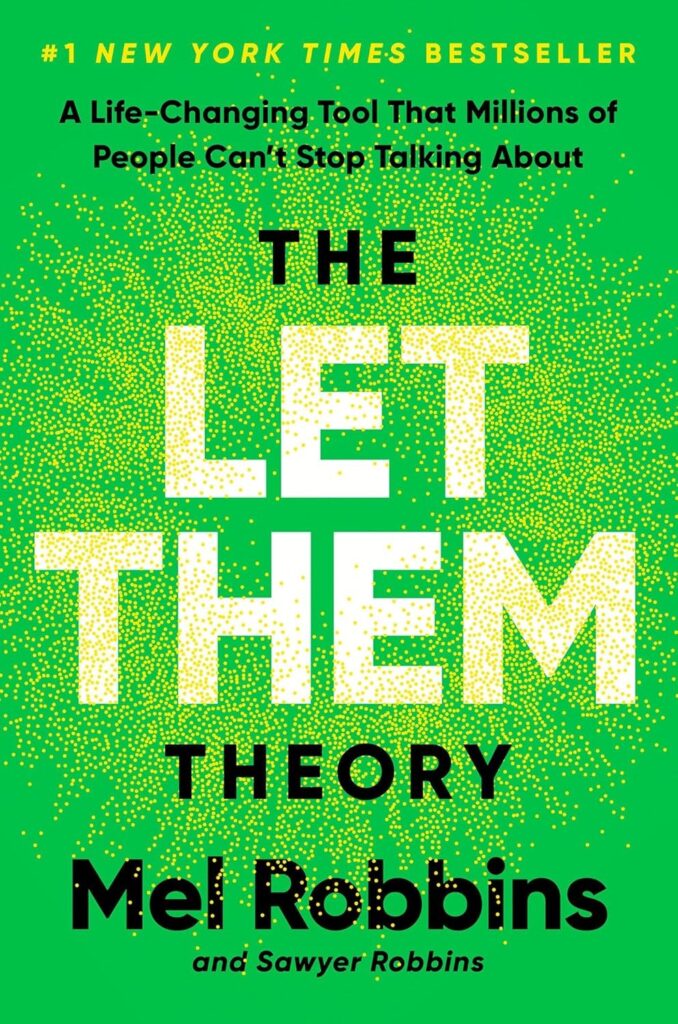
Genre: Self-help
Title: The Let Them Theory
Author: Mel Robins
Primary: Mevtas Bold/Mazzard H Bold
Secondary: Levenim MT Bold
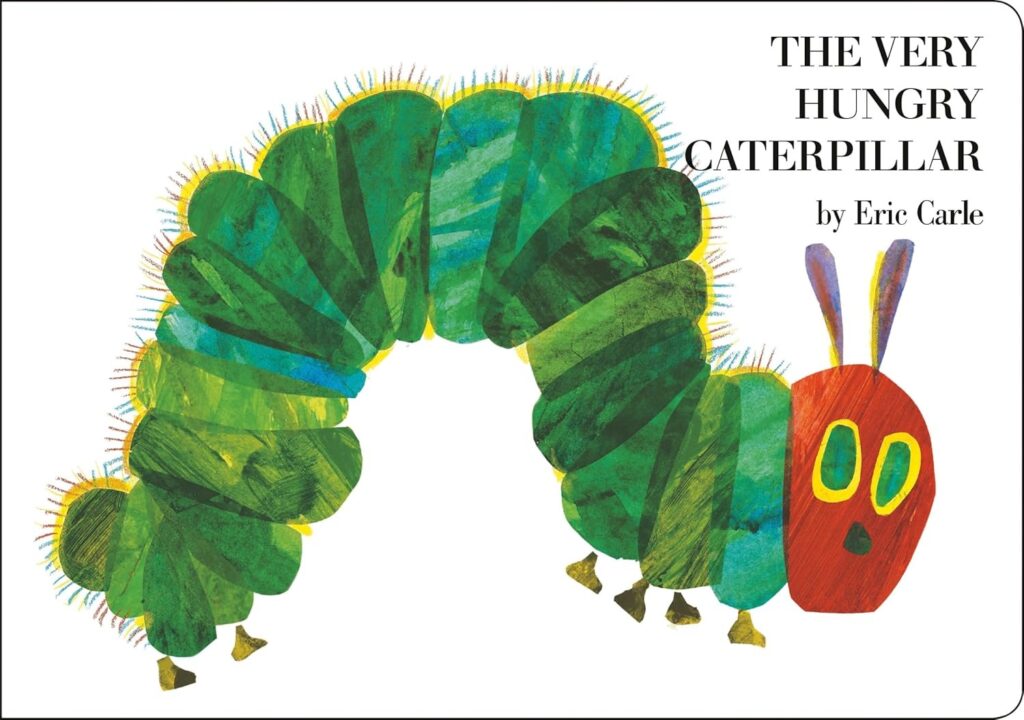
Genre: Children’s
Title: The Very Hungry Caterpillar
Author: Eric Carle
Primary: Walbaum Pro
Secondary: Bondoni Regular
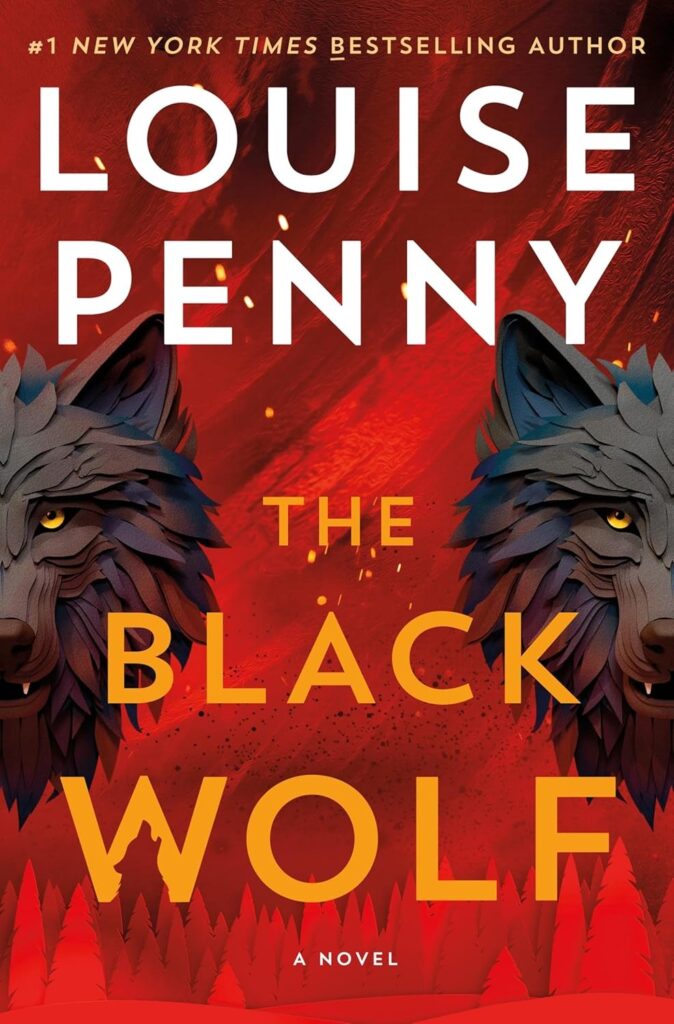
Genre: Mystery
Title: The Black Wolf
Author: Louise Penny
Primary: Trend Sans One
Secondary: Orqquidea Sans Medium
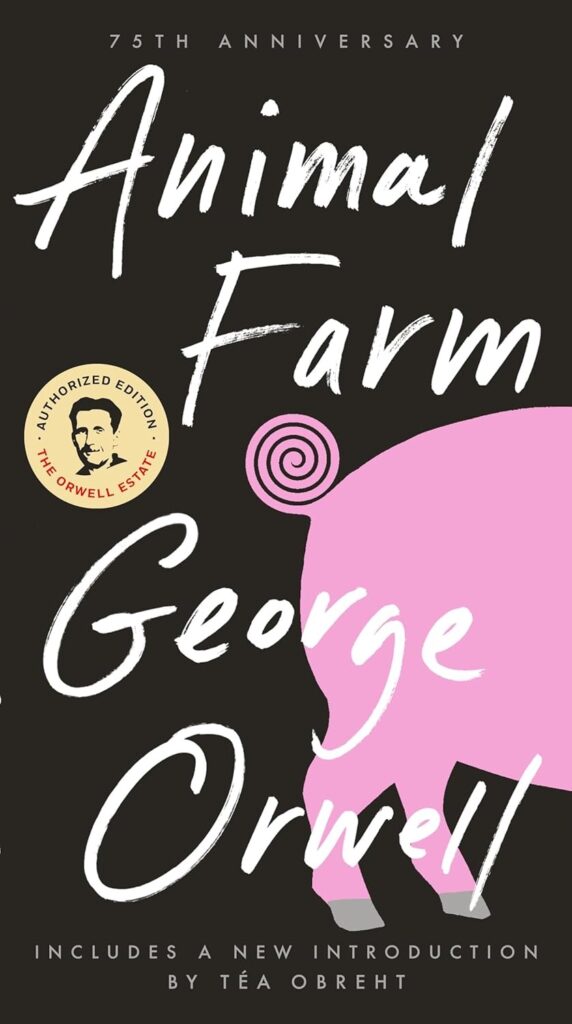
Genre: Contemporary Literature & Fiction
Title: Animal Farm (75th Anniversary Edition)
Author: George Orwell
Primary: Rimbomba Bold
Secondary: Futura Small Caps Medium
—-
Typography sites
Here’s a list of popular websites for typography information and downloads. Some sites are free, while others charge. Hint: If you’re on a limited budget and the typeface you want is too expensive, search the free websites for similar styles.
Your checklist
Before committing to a typeface family that “speaks to you,” ask yourself the following questions to make sure you’ve made the right choice.
Does the title read clearly at thumbnail size? — Ensures discoverability on retail sites and social feeds.
- Are the author name and subtitle legible at the expected small sizes? — Prevents loss of key metadata in thumbnails.
- Do the typefaces convey the correct genre and emotional tone? — Confirms tone alignment with reader expectations.
- Is there sufficient contrast between the title, subtitle, and author to create hierarchy? — Avoids visual competition and confusion.
- Do the faces work across intended formats (print, ebook, social, merch)? — Verifies cross-medium consistency and technical compatibility.
- Will specialty finishes (foil, embossing, debossing) or paper stock affect thin strokes or hairlines? — Prevents loss of detail during production.
- Are there enough weights/optical sizes within the family for the hierarchy you need? — Avoids forced, inconsistent scaling or mixing unrelated families.
- Does the license cover all planned uses (print run, ebooks, advertising, translations)? — Ensures legal clearance for distribution and promotion.
- Have you checked troublesome letter pairs and display kerning at the chosen size? — Catches collisions or awkward gaps in prominent display text.
- Have you tested accessibility factors (contrast ratio, x‑height, open counters) for target readers? — Makes sure the cover is usable for low-vision readers and more accessible overall.
Key Takeaways
Understanding what typography is and how it works in book design is an important part of the savvy author’s skill set. Even if you have no intention of tackling your book’s cover design yourself and hiring a designer, understanding genre expectations and how the typography plays into that can help you better communicate with your designer. Even if you don’t have the budget to hire a professional designer, and choose a template instead, having a general understanding of typography can help you select the best template for your book.
As a self-publisher, you don’t have to know everything, but the more you do know, the better the choices you can make for your book. It’s easy to become overwhelmed with all of the moving pieces of self-publishing, but these days, there are tons of resources available to put you on the right track, and the majority of them, from my experience, are easy to access and easy to understand, even for a novice.
If you’re interested in learning more about typography, here are a few websites and suggested reading to get started.
- Typewolf — Curated font recommendations, real-world type comparisons, and practical pairing inspiration.
- Flawless Typography Checklist — https://www.typewolf.com/checklist
- Typography Cheatsheet — https://www.typewolf.com/cheatsheet
- Guides & Resources (learning links and curated lists) — https://www.typewolf.com/guides
- Fonts In Use — A searchable archive of real-world typography examples across media with detailed usage notes.
- Books category (real-world book-cover examples) — https://fontsinuse.com/in/2/formats/6/books
- Blog (case studies and typographic analysis) — https://fontsinuse.com/blog
- Home / searchable archive (browse by format, typeface, or topic) — https://fontsinuse.com/
- Ilovetypography — Daily essays, interviews, and deep dives into type history, trends, and notable designers.
- Typography 101 (starter articles and terminology) — https://fonts.ilovetypography.com/typography-101
- Introduction to OpenType substitution features — https://ilovetypography.com/2010/06/18/an-introduction-to-opentype-substitution-features/
- OpenType features overview (features and practical use) — https://ilovetypography.com/OpenType/opentype-features.html
- If you want, I can summarize the key takeaways from any one of these articles in a short, actionable checklist for choosing cover type.