


















YA readers absolutely judge a book by its cover, so when it comes to young adult book covers, you need to design them well.
Today’s teen readers are discovering books at lightning speed. They’re scrolling through BookTok, double-tapping aesthetic cover reveals on Instagram, and scanning online bookstores in seconds.
In physical stores, they’re browsing tables packed with bold, colorful spines competing for attention.
In both spaces, young adult book covers are doing the heavy lifting. Before a reader reads the blurb, checks the reviews, or even notices the author’s name, they’re reacting emotionally to the cover.
That emotional reaction is everything.
Young adult book covers drive impulse decisions. YA readers buy based on feelings. A powerful cover communicates that emotional core instantly.
At the same time, young adult book covers have to succeed in a fast-scrolling digital world. They must be clear, legible, and striking at thumbnail size, where visual scanning happens in mere seconds. If the title can’t be read quickly or the genre isn’t obvious immediately, readers move on.
Genre expectations also play a major role. Fantasy readers expect drama and atmosphere. Romance readers look for chemistry and intimacy. Thriller fans want tension and edge. The most successful young adult book covers understand these expectations and use them strategically.
In this guide, you’ll discover clear, practical, market-backed tips for creating young adult book covers that don’t just look beautiful, they sell. Whether you’re an author, designer, or publisher, these insights will help you craft young adult book covers that capture attention and convert browsers into buyers.
This blog on young adult book covers will include:
[PRINTABLE] Book Launch Checklist
Publish Your Book The RIGHT Way & Ensure It’s Success!
Download your FREE book launch checklist to get your launch right the first time. Hit the button to claim yours.




9 tips for creating the best young adult book covers
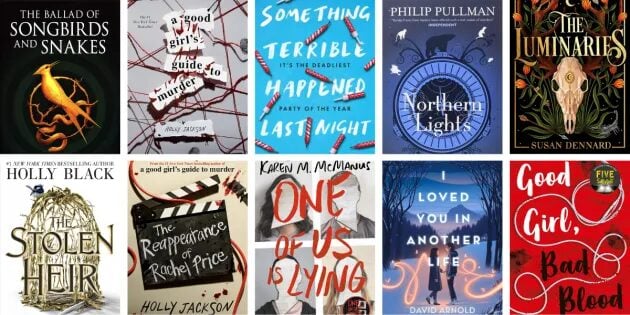
Here are 9 tips to help you craft a young adult book cover that sells.
Know your exact age band
Not all young adult book covers are created for the same reader. One of the biggest mistakes authors and designers make is treating the YA category as a single audience. In reality, there’s a significant difference between Middle Grade, Lower YA, and Upper YA in young adult fiction, and your cover must reflect that difference.
Middle Grade (8–12) covers tend to be brighter, more illustrated, and more playful. Characters are often shown in full, expressions are clear, and the tone feels adventurous rather than intense. The typography is bold and highly legible.
Lower YA (12–15) begins to introduce more emotional depth. Young adult book covers in this range might include moodier lighting, subtle symbolism, or romantic tension, but they still avoid overtly mature themes. The tone feels aspirational and exploratory.
Upper YA (16–18) allows for darker themes, sensual undertones, complex emotional stakes, and more sophisticated design. Young adult book covers in this category often feature dramatic lighting, intense close-ups, rich color palettes, and elevated typography that feels closer to adult fiction.
The key is alignment. Tone and maturity must match the reader’s life stage. Covers for 13-year-olds should not look like covers aimed at 18-year-olds. A mismatch creates confusion, and confused readers don’t buy.
The most successful young adult book covers immediately signal, “This story is for someone exactly like you.”
Before designing anything, ask:
Who is this book truly for? A seventh grader navigating friendships? Or a high school senior facing first love and identity crises? Your answer should shape every visual decision.
Reflect the emotional core of the story
Young readers don’t buy plots. They buy feelings.
The strongest young adult book covers communicate the emotional core of the story at a glance. Before a reader knows the premise, they should feel something, like longing, danger, hope, rebellion, or wonder.
If your story is a romance, the cover should suggest intimacy and tension. That might mean close proximity between characters, soft lighting, warm tones, or body language that implies longing.
If it’s fantasy, think scale and power. Epic typography, dramatic skies, magical glows, symbolic objects, or a lone figure against a vast backdrop all communicate stakes and wonder. Fantasy young adult book covers often use lighting and contrast to signal magic and high emotional intensity.
For contemporary fiction, vulnerability and realism are key. Natural light, authentic expressions, candid moments, or minimalist designs can convey emotional truth. Young adult book covers in this category succeed when they feel relatable and sincere rather than overly stylized.
In every case, ask yourself: What emotion lingers after someone finishes this book? That emotion (not the detailed plot) is what your cover should visually translate. When young adult book covers lead with feeling, they connect instantly. And connection is what turns interest into a sale.
Study current bestsellers
If you want to design young adult book covers that sell, start by studying the ones already topping the charts.
Browse Amazon’s YA bestseller lists and the New York Times Young Adult list to see what’s performing right now. These young adult book covers reflect current reader expectations and market trends.
Pay attention to patterns. Are most covers illustrated or photo-based? Are they bold and graphic, dark and moody, or soft and pastel? What font styles are popular? Hand-lettered scripts, dramatic serifs, clean sans-serifs?
Notice how color, typography, and imagery signal genre instantly.
Most importantly, remember that trends in young adult book covers shift every 3–5 years. Regularly analyzing bestsellers helps you stay aligned with the market, so your cover feels current and competitive.
Make your title bold, legible, and mood-driven
In today’s market, most young adult book covers are discovered online where they first appear as tiny thumbnails. If your title isn’t instantly readable, you’ve already lost potential readers.
Test your cover at around 100px in height. Can you still read the title clearly? If not, simplify. Avoid thin, delicate fonts for the main title, especially in busy compositions.
At the same time, typography on young adult book covers should do more than just be legible, it should communicate mood.
Serif fonts can feel classic or dramatic, while sans-serif fonts often feel modern and clean.
Handwritten styles suggest intimacy or romance, bold block fonts can signal strength or tension, and distressed lettering adds grit to thrillers or dystopian stories.
The best young adult book covers use typography strategically, blending clarity with emotional tone to create instant impact.
Choose a strong focal point
The most effective young adult book covers feature one clear, dominant focal point.
Whether it’s a character, an object, or a bold typographic treatment, simplicity creates impact.
Avoid clutter and competing elements. YA covers thrive on bold, visually confident design that grabs attention in seconds.
Color psychology matters
Color instantly signals genre and mood on young adult book covers. Dark tones with metallic accents often suggest epic fantasy, pastels lean toward contemporary romance, and neon palettes can hint at edgy thrillers or speculative fiction.
Strong contrast also improves visibility, helping your cover stand out both online and on physical shelves.
Faces vs symbolism — choose intentionally
Faces on young adult book covers create immediate emotional connection, especially in romance and contemporary stories. Symbolic objects, on the other hand, build intrigue and mystery, which is often effective in fantasy and dystopian genres.
Silhouettes are generally safer than full photographic faces unless the execution is exceptional, as poorly chosen faces can limit reader imagination.
Design for social media appeal
Today’s young adult book covers live on both shelves and screens. From BookTok to Instagram to Pinterest, visually striking, “Instagrammable” covers tend to get shared more often, which directly impacts discoverability and sales.
Clean, bold aesthetics photograph better and stand out in crowded social feeds, while overly busy designs can get lost.
If you’re publishing in print, consider special finishes that enhance shareability, such as foil stamping, embossing, debossing, or sprayed edges. These tactile details encourage readers to post photos and unboxings.
The most successful young adult book covers are designed not just to look good in person, but to perform beautifully in digital spaces where modern readers spend their time.
Test before you commit
Even the most experienced designers don’t rely on instinct alone. Before finalizing young adult book covers, test them. Poll readers within your target age group to see which version creates the strongest emotional reaction. Small ad tests using multiple mockups can also reveal which design gets more clicks.
Another powerful strategy is comparison. Place your cover beside five current bestselling young adult book covers in the same genre.
Does it look competitive? Does it clearly signal the right audience and tone?
Testing helps you spot weaknesses early, before you invest in printing or launch campaigns, and dramatically increases your chances of creating a cover that truly converts.
Are you trying to write the next YA bestseller?
Designing bestselling young adult book covers is about understanding the market, the reader, and the emotional promise of your story. When your cover clearly signals genre, matches the right age band, captures the emotional core, and stands out both online and in-store, you dramatically increase your chances of turning browsers into buyers.
But here’s the good news: you don’t have to figure it all out alone.
At selfpublishing.com, we help authors create young adult book covers that don’t just look beautiful, they sell. Our team studies current YA market trends, analyzes bestselling covers, and designs strategically so your book fits the genre while still standing out.
And we don’t stop at cover design.
If you’re writing a young adult book, we can also support you with professional editing, formatting for print and ebook, marketing strategy, launch planning, and long-term sales optimization.
From manuscript to marketplace, our goal is to help you publish with confidence.
If you’re serious about creating a young adult book that resonates with readers and competes in today’s market, we’re here to help you make it happen.