
















Wondering how to write upmarket fiction? This type of fiction is a consistently popular genre as it blends what I would characterize as the best of two genres. Because of this, learning how to write upmarket fiction can set you leaps and bounds ahead.
You’re not just learning how to write in one genre well, but blending two well-selling genres: commercial fiction and literary fiction. Some time ago, I was pitching my novel to an agent. I had received positive feedback on the writing, which leans toward literary fiction, but the plot fit in more of a commercial fiction genre.
This novel became my own example of how to write upmarket fiction. Today, I’m here to teach you the same thing because…learning how to write upmarket fiction can be a fantastic choice from both a creative and business standpoint.
Literary fiction is fun to write. Upmarket fiction sells well. Combining these genres makes these books popular choices for film and TV adaptations. Writing my own upmarket fiction taught me a what all goes into this genre.
Add to this the fact that we’ve taught over 8,000 authors how to write, publish, and market their books over the last 10 years. So, with all of this background, are you ready to learn how to write upmarket fiction?
How to write upmarket fiction: what you learn
- What is an example of upmarket fiction?
- Your step-by-step guide
- How long should upmarket fiction be?
- How do I know if my novel is upmarket?
- What is the most profitable genre of fiction?
- How to write upmarket fiction: examples
What is an example of upmarket fiction?
If you’ve read Delia Owens’ novel, Where the Crawdads Sing, you’ve read an example of upmarket fiction. She is a prime example of how to write upmarket fiction that portrays characters who feel real, plots that propel the reader to keep turning pages, and a story that is fantastic for the big screen.
I remember watching the film adaptation in theaters and being blown away by it, then watching the book and still feeling spellbound. Even though the movie was based off of the book, I felt like I was experiencing the story for the first time.
Your step-by-step guide
Before taking a look at word count length and examples, here is a five-step process for how to write in this genre.
1. Develop high-concept ideas

Creating a high-concept idea is a large part of what makes these stories work. When I watched Where the Crawdads Sing, I was struck by the unique quality of the concept, especially paired with the setting of the marsh.
2. Strike the balance
The heart of upmarket fiction is balancing literary writing quality with a plot with commercial appeal. Delia Owens handles this so well in her bestseller. She explores complex themes with a what feels like effortless writing, all while crafting a plot that truly draws readers in.
3. Create compelling characters

The complexity of your characters is what makes them feel human. When reading Delia Owens’ novel, I was struck by the idea, yes, but also by the mix of vulnerability and brazen strength of her protagonist, Kya.
The ending in particular (which I won’t spoil) left me stunned by the intricacy of this character.
4. Maintain pace without sacrificing depth
Your plot should be intriguing and paced well enough to keep readers turning the pages, but it shouldn’t come at the cost of artistic writing and depth of feeling.
Balancing these two is key to all storytelling, but particularly upmarket fiction.
5. Focus on quality writing
The standard for upmarket fiction is high. Your prose should tread the line between poetic and straightforward. While my writing mentor teaches that every sentence should serve a purpose, no matter the genre you write, this rings especially true for upmarket fiction.
Every word should add value. Speaking of every word adding value, how many should you include in your upmarket novel?
How long should upmarket fiction be?
When learning how to write upmarket fiction, it’s good to shoot for a word count of around 90-120,000 thousand words. Why? Simply put, upmarket fiction is the golden child of literature.
It’s hybrid genre that blends the best elements of literary and commercial fiction, both of which sit around the 100,000 word range. It takes time to craft characters, create intricate plots, and use the magic of the written word to build a story world readers want to enter into.
While oftentimes, writing short stories is said to be more difficult than full-length novels, imagine the level of creativity and skill it takes to seamlessly mix two genres into one.
Choosing the shoot for the 100,000 word range gives you time to develop your plot and characters while also crafting a story that feels artfully written.
How do I know if my novel is upmarket?
If your book mixes both the artistic style of literary fiction and the driving plot of commercial fiction, you are likely writing upmarket fiction.
It’s important to pinpoint what category your book falls into, because knowing which genre to market your book to is crucial to effective sales…which are vital to making it as a writer. The more categories your book can slide into, the more marketable.
Consider these questions when deciding your book’s genre:
- Do I have a strong plot that can compete with the bestsellers in commercial fiction?
- Are my characters well-rounded with strengths and flaws that feel almost human?
- Is my voice unique, artistic, and used to craft the story in an artful way?
Learning how to write upmarket fiction means you are committed to creating a story that can compete with the best in commercial fiction, while also taking time to delve into the deeper themes and writing styles of literary fiction.
What is the most profitable genre of fiction?
While romance still stands as the most profitable genre of fiction, learning how to write upmarket fiction can nudge you into the romance category. Let’s continue with our above example.
The protagonist, Kya, works through her own coming-of-age story throughout the book (and film). Oftentimes, coming-of-age includes falling in love. In this case, she is torn between two characters for the perfect love triangle.
While Delia Owens crafted a compelling novel and showed us all she knows how to write upmarket fiction that sells, she also included sub-themes of romance. This is something you can also do as you learn how to write in the genre. Let’s take a look at a few examples of how to write upmarket fiction.
How to write upmarket fiction: examples
Part of learning how to write upmarket fiction that sells is by reading works that stand as pillars of the genre. Let’s take a look at a few standout examples.
The Secret Life of Bees, Sue Monk Kidd
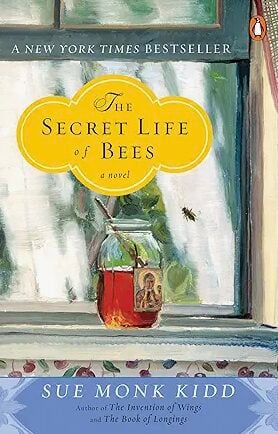
This multi-million-copy bestseller is set in the late 1900s. It covers the story of Lily and her experience of her mother’s death. This plot drives the story, firmly setting it in commercial fiction. However, the way in which the author writes the story sets it in literary fiction, making it a prime example of how to write upmarket fiction.
Big Little Lies, Liane Moriarty

Ranked by Amazon in Editors’ Pick for Best Literature and Fiction, this story has earned over 164,000 Amazon reviews by committed readers. With a plot full of conflicts including scandal and lies, and writing that engages the reader, this is yet another example of how to write upmarket fiction.
Gone Girl, Gillian Flynn
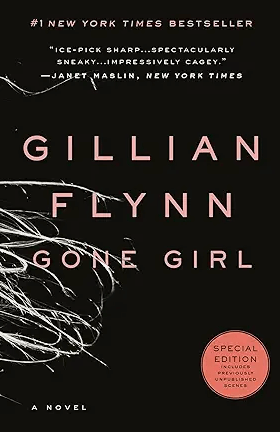
Gone Girl has earned its place as a prime example of an upmarket thriller: The novel’s twisting plot keeps readers turning pages. The exploration of themes such as marriage and psychological manipulation adds depth. The writing leans toward literary.
How to write upmarket fiction: take your next step
Now that you know all about upmarket fiction and how to write it, it’s time to take your next step. Learning the craft may feel overwhelming, but taking just one small step forward today will help flatten your learning curve.
Just like I did, you can learn how to write in this genre as well. Use our free resource below to get started on your authorship journey today!


Book Outline Generator
Choose your Fiction or Nonfiction book type below to get your free chapter by chapter outline!
Book Outline Generator
Enter your details below and get your pre-formatted outline in your inbox and start writing today!
CONGRATULATIONS
Thanks for submitting! Check your email for your book outline template.
In the meantime, check out our Book Outline Challenge.