






We teach you how to write & publish a fiction book.

We teach you how to write & publish a nonfiction book.

We teach you how to write & publish a memoir.

We teach you how to write & publish a children’s book.

Complete VIP book service, everything handled for you.
Not sure which program is right for you? Take a look at all of our programs or take the test
With over 600 five-star reviews, this book is key for launching your own.
Streamline your writing with our concise 25-page book outline template!
Stay organized to reveal your character’s motives and traits!
Enhance your writing with our quick fiction guide, ready for instant download.

Instantly improve your writing with over 300 strong verbs and the commonly used weak verbs they replace.

Your roadmap to writing and publishing great fiction.
How to explode your email list — even if you have no marketing experience.
Use your social media to sell more books, gain followers, & grow your author brand.
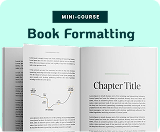
The ultimate quick-start book formatting course for authors.
Calculate how many words are in your book.
Calculate how much a fiction series is worth.
Calculate how much your book is worth with Amazon royalties.
Calculate how much a book could scale and grow your business.