
















So you’re here to learn how to write interactive fiction. Maybe you played Zork or Anchorhead and fell in love with the genre. Maybe you’re a game developer or a writer who is simply looking to try something new. Whatever the case, you’ve come to the right place!
In this article, we will discuss what interactive fiction is, some popular works of interactive fiction, and steps and tips for writing an interactive fiction game of your own.


Book Outline Generator
Choose your Fiction or Nonfiction book type below to get your free chapter by chapter outline!
Book Outline Generator
Enter your details below and get your pre-formatted outline in your inbox and start writing today!
CONGRATULATIONS
Thanks for submitting! Check your email for your book outline template.
In the meantime, check out our Book Outline Challenge.
What is interactive fiction?
Interactive fiction (IF) is a genre of storytelling where the reader or player interacts with the narrative to shape its outcome. It is a category of computer games that communicates with the player via text.
Unlike traditional fiction, where the story unfolds linearly, interactive fiction allows the audience to make choices that affect the direction and outcome of the story.
You don’t need to use a game controller to play an interactive fiction game, instead, you progress by typing in commands or clicking on hypertext options.
What are the features of interactive fiction?
Here are some of the key elements of interactive fiction:
- Player choices – The player or reader makes decisions that influence the story’s progress and ending. These choices can range from simple actions to complex moral dilemmas.
- Branching narratives – The story often has multiple paths and endings based on the choices made by the player. This can lead to a variety of experiences and outcomes.
- Text-based – Interactive fiction is text-based, with players typing commands or selecting options, but some modern interactive fiction can also include graphics, audio, and more complex interfaces.
- Puzzle elements – Many interactive fiction works include puzzles or challenges that the player must solve to progress through the story.
- Immersion – Interactive fiction emphasizes immersion and player agency, allowing the audience to explore the story world and influence the plot in a meaningful way.
What is an example of interactive fiction?
If you want examples of interactive fiction, you can visit The Interactive Fiction Database for their list of the top 50 interactive fiction games of all time. This is a 2019 poll, so look into the more recent threads to see some new leaders at the top of the board.
Here are some examples of popular interactive fiction works today:
Counterfeit Monkey
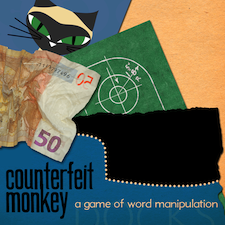
Counterfeit Monkey tops the list of interactive fiction games for a reason.
Counterfeit Monkey is an interactive fiction game by Emily Short where you use language manipulation to solve puzzles in a world where words can change reality. Its greatness lies in its innovative mechanic of altering and creating words to interact with the environment, offering a unique and intellectually stimulating experience.
The game features clever puzzles, a rich narrative, and detailed world-building. The combination of its inventive gameplay, engaging story, and the freedom it provides for creative problem-solving makes it a standout in interactive fiction.
I, The Forgotten One
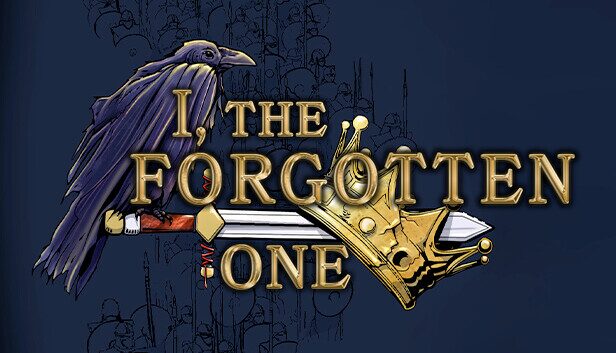
I, The Forgotten One is a text-based interactive fiction game where you play a deity who has been cast aside and must reclaim their lost power. The game excels due to its compelling narrative, rich world-building, and deep character development.
I, The Forgotten One offers a unique perspective by letting players explore themes of divinity and obsolescence. The choices you make significantly impact the story’s direction and the deity’s path to redemption.
Samurai of Hyuga

Samurai of Hyuga is an interactive fiction game that blends visual novel and RPG elements. Set in a fictional feudal Japan, you play as a wandering samurai navigating a world of political intrigue.
The game is notable for its engaging narrative, rich character development, and branching storylines that offer meaningful player choices. The combination of its immersive setting, strategic combat, and compelling story makes it a standout in interactive fiction.
Breach

Breach was written by David Fisher and released in 1991. It’s notable within the genre for its well-balanced storytelling, action, romance, and of course, puzzles.
The game centers around a mysterious and intricate heist. You play as a character who is trying to breach a secure facility to steal a valuable item. The game’s setting is a futuristic or high-tech environment, which adds to the sense of immersion and challenge.
Breach is known for its well-crafted and challenging puzzles. These puzzles require logical thinking and careful attention to detail, making the game rewarding for players who enjoy problem-solving.
Zombie Exodus: Safe Haven
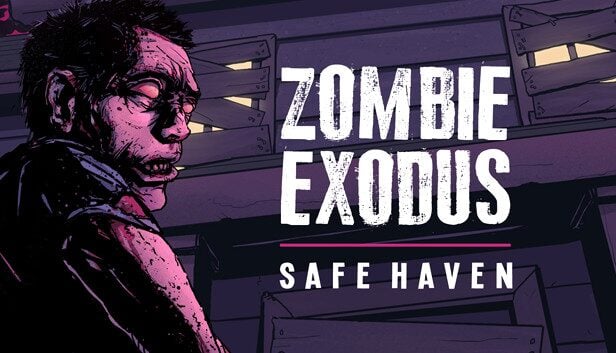
Zombie Exodus: Safe Haven is a text-based interactive fiction game created by Jim Dattilo. It’s set in a world overrun by zombies and places the player in the role of a survivor trying to navigate this perilous new reality.
The game involves making crucial decisions that impact the outcome of the story, managing resources, and building relationships with other characters. The character interaction, survival mechanics, and deep storytelling make this game an absolute winner.
Zork
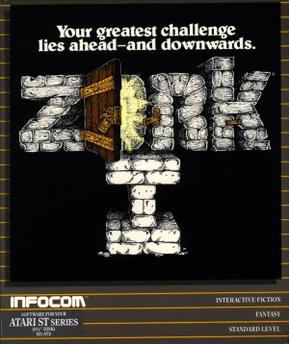
While this isn’t modern by any means, I can’t write a list of interactive fiction examples without including the father of the genre: Zork.
Zork is a classic text-based adventure game that was first developed in the late 1970s by a group of MIT students known as the Dynamic Modeling Group. It was one of the earliest examples of interactive fiction.
Zork was groundbreaking in its time. It helped define the text adventure genre and set a standard for how interactive fiction could be structured. Its success paved the way for future text-based games.
Zork inspired numerous other games and helped establish a community of interactive fiction enthusiasts. Its legacy can be seen in modern narrative-driven games and in the continued development of interactive fiction.
Now that you’ve seen some popular examples of interactive fiction, let’s discuss how to write interactive fiction for yourself.
How to write interactive fiction
Learning how to write interactive fiction is far different from writing other fiction genres. It takes a lot of patience and test after test after test to get it right.
The exact process for making your game can look very different depending on what programming language and tools you use. We will get into that more later.
To get started with interactive fiction, first, you need an idea for your story.
1. Start with your idea
The best way to start an interactive fiction project is with a strong fiction story idea.
Also, try writing prompts, people-watching, playing games, or reading books in different genres. There is no wrong answer for finding your idea.
Whatever the subject, keep it short and simple, and make sure it’s something you would want to play. You don’t want to do anything too complex or you might burn out trying to create it—especially if it’s your first interactive project.
2. Skip to the endings
With interactive fiction, you need to think about the endings right from the beginning. That’s because most IF stories have multiple endings and you need to decide what they are before you plot the courses that will get your players there.
3. Organize your narrative
Before you start making your game, it’s really important to plan it out. You will need an outline and a map to follow when you start plugging your game into your system.
I find that a good old pen and paper is the best way to get started. You can do a mind map and draw out where the choices lead step by step so you have a clear view of all the arcs of your game.
4. Decide if you want puzzles
Interactive fiction doesn’t have to be puzzle-heavy, but many players enjoy having puzzles in their games. Decide if you want to include them or not and then devise puzzles that fit neatly into your storyline.
5. Choose a system
When writing an interactive story, the system you use heavily influences the form of your story. Systems like Inform 7, Adventuron, Quest, and TADS produce parser games; while systems like Twine, Ren’Py, InkleWriter, and Undum produce choice-based games.
Study each system’s example games and tutorials to see what suits the style and feel of the game you are going for.
6. Test your game
As the writer, you are also the game’s first playtester. Keep in mind that no matter how thorough your testing may be, it won’t be enough on its own. It’s crucial to have others test your game before its official release. While friends and family can offer valuable feedback, it’s often not sufficient.
For effective testing, you need to reach out beyond your immediate circle. Engage with individuals who are knowledgeable about game design and its common issues, like bugs, quality, and too many or too few choices.
The Interactive Fiction Community Forum offers a dedicated space for finding playtesters. Create a new thread to briefly introduce your game, then reach out to interested parties via private message to provide them with the game file or a secure link for online play.
Don’t hesitate to seek feedback; the community is supportive of all experience levels. Be courteous and remember to share your own insights in return when you’re able.
7. Publish your interactive fiction!
Once you’ve completed thorough testing, you’re ready to publish your game on platforms like itch.io, your own author website, social media, or the IF Community Forum.
Before you release it to the public, take a moment to pause and reflect. If you’ve received positive feedback during testing, you might want to consider entering one of the many annual Interactive Fiction competitions!
Tips for writing your interactive fiction
With the basic steps above in mind, let’s run through some quick tips on making your IF story a success.
- Introducing choices early in the game creates immediate engagement and establishes the expectation that the game is responsive to player input. It’s important to deliver on this promise sooner rather than later to maintain trust with the player.
- Ensure that each choice is embedded in a meaningful context. Without context, choices lack stakes and emotional significance.
- Be strategic about branching in your story and keep it minimal. Avoid branching too early to prevent creating an overly complex narrative.
- Incorporate micro-decisions where possible to give players a sense of ownership without introducing new branches. Micro-decisions don’t create new pathways but add new lines of text.
- One choice might not offer meaningful player agency, though it could be thematically appropriate or necessary for progression. Two choices can create dramatic tension, while three is often the ideal number. Four choices can be used to lock off certain options, and more than five choices can become excessive but can also add variety and intrigue through micro-decisions.
- It’s better for players to know that their decisions have consequences, such as branching paths being locked off, rather than assuming the game is entirely linear. This is why games like Telltale use prompts like “X remembered that.”
- Utilize cumulative micro-decisions to lead to a climactic branching point for a more organic and impactful experience. When done effectively, players will be impressed by how their micro-decisions have influenced the game and culminated in a dramatic payoff.
Become an interactive fiction author today!
With these tips and enough patience, anyone can become an interactive fiction author – and you might just write the next big hit!
If you need help along the way, the team at Self-Publishing School is happy to assist. We help thousands of authors to come up with killer story ideas, perfect their editing process, come up with a stellar marketing scheme, and more.
Just reach out today to get started.
Book Outline Generator
Choose your Fiction or Nonfiction book type below to get your free chapter by chapter outline!
Book Outline Generator
Enter your details below and get your pre-formatted outline in your inbox and start writing today!
CONGRATULATIONS
Thanks for submitting! Check your email for your book outline template.
In the meantime, check out our Book Outline Challenge.