













A personal narrative isn’t just an autobiography or a memoir; it’s a chance for you to tell your story in full detail.
When researching for this article, I was surprised by what I found. Of the many, many articles and videos on the subject, I could only find one that was actually formatted as a personal narrative. It’s a real shame, too, because few writing styles are as powerful and versatile.
Too many authors put themselves in a box with their writing, and (if they’ve heard of this type of narrative at all) might struggle to see its potential. A strong personal narrative can open up the world of writing in a way you may never have seen before, especially if you’ve already spent time developing your own voice.
Topics to be discussed:
Book Outline Generator
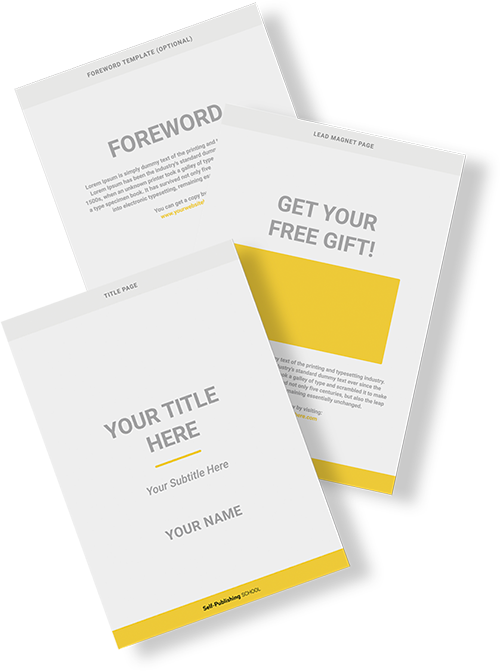
Choose your Fiction or Nonfiction book type below to get your free chapter by chapter outline!
Book Outline Generator
Enter your details below and get your pre-formatted outline in your inbox and start writing today!
CONGRATULATIONS
Thanks for submitting! Check your email for your book outline template.
In the meantime, check out our Book Outline Challenge.
What is a personal narrative?
When I first read the words “personal narrative,” they were followed up by “essay.” I was in high school, desperately applying for scholarships that would allow me to attend the college I’d picked. A quick Google search of the phrase told me it refers to a story from one’s life experiences, particularly ones with strong emotional significance.
I expected, as a teenager who had diligently kept a journal since I was 7, that writing the essay would be easy. I was sorely mistaken. I struggled to even get going for so long, that by the time I had even picked a topic, the scholarship was closed to new applicants.
Years later, I’ve learned that this isn’t a unique experience. A personal narrative can cover a wide range of storytelling styles and topics. Some have the characteristics of a memoir, while others more closely resemble fiction or poetry.
The diversity in a personal narrative is what makes it so powerful, but it’s also what makes starting one difficult. They require a personal touch, and the most powerful ones allow the author’s unique perspective on the event to shine through more brightly than any other element. For authors who are still developing their own style, this can make them particularly challenging… and rewarding.
Personal narrative examples
Since personal narratives can take so many forms, there are plenty of examples to reach for. One of our Self-Publishing School authors, Tarra R. Gundrum, published a memoir that matches the elements perfectly.
Since it’s a memoir, Finding My Possible: How I Changed my Narrative and Created a Life of Adventure does travel through the events of the author’s life. What makes her book powerful, though, is the narrative. Tarra doesn’t just talk about what happened, she talks about how it impacted her as an individual and lets the reader really feel her triumphs and her pain.
The thing is, you don’t need an entire book to do that. Not every author wants to write a memoir. But at one time or another, every author will need to tell their story. The 600-word entries from teens in The New York Times’s personal essay contest are a great example. The emotion that comes through is a punch to the gut, but each essay is 600 words or less.
As a teenager, I didn’t look up too many examples to help me clear my writer’s block. I wanted to tough it out and find my voice through trial and error. It’s not a method I recommend. If anything, reading more personal narratives and advice offers clarity on the how, so you can focus on which story you want to tell.
How to write a personal narrative
This is the part I skimmed as a nerve-wracked high schooler. As an adult, it’s part of the research I spent the most time poring over. At its core, a personal narrative can follow any story structure. The “narrative” part is fairly straightforward.
The “personal” part is more difficult to put into words. How-to articles are full of trite-sounding advice geared toward refining writing. And most of them are, yes, directed toward high school and college students writing personal essays.
As an author, your reasons for exploring personal narratives are more complex. They can be an entry point before researching how to write a memoir. They can be a tool for growing your business, by allowing anyone who visits an “About” page to make an emotional connection.
Think about what moves you
Emotion is at the heart of every personal narrative. It’s what turns it from a dry recitation of events or a repetitive list of “I said”/ “I saw”/ “I thought” / “I heard” statements into a real story. Picking a personal narrative essay topic was so difficult for me as a teenager partly because I was too focused on what the judges would want to hear.
Your reader is important, but when you’re first getting started with your personal narrative, it can’t be about them. Fear about what other people would say about my lived experiences cut me off at the knees. Strong, artful personal narratives are unafraid.
Most articles about choosing a personal narrative topic focus on how you could pick any memory. That’s true, but a clearer guidepost is to pick a memory that moves you.
I couldn’t write a particularly compelling piece about winning a medal in a swimming competition, which is what I thought my reader wanted to hear. But I could’ve written a stronger personal narrative about the time I forgot to warm up before a race and hit the water like lead, heavy dread weighing on me as much as my tense hamstrings.
Book Outline Generator
Choose your Fiction or Nonfiction book type below to get your free chapter by chapter outline!
Book Outline Generator
Enter your details below and get your pre-formatted outline in your inbox and start writing today!
CONGRATULATIONS
Thanks for submitting! Check your email for your book outline template.
In the meantime, check out our Book Outline Challenge.
Create a map
Not everyone loves outlines. Not everyone loves leafy greens, either, but they’re still good for you. Personal narratives are like any other narrative. You need an outline. Even the roughest outline is the best starting point, but it isn’t the end-all, be-all.
Restricting myself to a tight framework while trying to convey an emotional story sounded like an impossible task, so I didn’t even try. But that’s not what an outline is.
An outline is a map. Maps don’t make you stay on one particular road. They don’t prevent you from going on detours or making stops. Maps give you a sense of your surroundings, so you don’t get lost.
Outlines help you to organize your thoughts. Whether you opt for a traditional formation or a mind map outline, your outline will help you plan a general route from point A to point B, giving you a clear place to start.
Tell your story
Tell it the way you want to tell it. Use your own words. And, most importantly, try not to self-edit. When I sat down to write my first personal narrative essay, I couldn’t get through more than a sentence or so without going back and changing something.
Nothing guts a story quite so badly as a red pen interruption in the first sentence of the first draft. Tell your story first, worry about getting it just right later.
Edit and proofread your writing
Don’t skip ahead to this step, but don’t skip it, either. Editing a personal narrative will include checking facts, like dates, but mostly this is where you can polish your writing. All the time I spent trying to get things “just so” during my first draft frustrated me to no end.
That energy would have been better spent in a dedicated round of edits after the story was told. Some first drafts are full of raw emotion, and the edits are about polishing and refining the language. Others come out impartial and dull and need a round of edits for language that sears or soothes.
Either way, nothing is more embarrassing than hitting “submit” and seeing a typo, plain as day, that could have been avoided with a quick glance over the writing.
Writing a powerful personal narrative
Personal narratives are some of my favorite things to write. Sometimes, I don’t even publish them (teenage me would never have believed it). A powerful personal narrative takes the reader on as much of a journey as any work of fiction. Instead of transporting the reader to a different world, though, you’re taking them into your own life and mind.
My first experience with a personal narrative was less than inspiring, but this type of story holds just as much potential as any other. The key to writing a powerful personal narrative is using all the same writing tools you would for any other piece of writing, so your experiences and voice can shine through.
Book Outline Generator
Choose your Fiction or Nonfiction book type below to get your free chapter by chapter outline!
Book Outline Generator
Enter your details below and get your pre-formatted outline in your inbox and start writing today!
CONGRATULATIONS
Thanks for submitting! Check your email for your book outline template.
In the meantime, check out our Book Outline Challenge.
Frequently Asked Personal Narrative Questions
What is a personal narrative?
A personal narrative is a story from your life that highlights a specific event or experience. For instance, writing about a time you overcame a significant challenge or had a transformative experience captures the essence of a personal narrative.
How do I start a personal narrative?
Start with a vivid scene or an emotional moment that draws the reader in. Set the stage by describing where you were, what you were doing, and how you felt. This helps to immediately engage the reader and sets the tone for your story.
What qualifies as a personal narrative?
A personal narrative recounts a true story from your life, focusing on a particular event, moment, or theme. It emphasizes your personal perspective and emotional journey, making the experience relatable and engaging for readers.
How do you pick a personal narrative story?
Choose a story that holds emotional significance for you. It should be a moment or experience that had a profound impact on your life or changed your perspective. If it moves you, it will likely resonate with your readers as well.
What should I include in my personal narrative?
Include the setting, key characters, and the sequence of events. Highlight your thoughts and feelings throughout the story. The emotional journey is crucial, so focus on how the experience affected you and what you learned from it.
How do I end a personal narrative?
Conclude by reflecting on the significance of the experience. Explain how it changed you or what you learned from it. A strong ending ties the story together and leaves the reader with a sense of closure or insight.